CSIR@80 | G-STIC Conference
Programme
Please consult the interactive event programme below. You can download a pdf version of the programme and floor plan here.
High Level Opening Session
| 09:00 SAST - 10:00 SAST
Diamond
The CSIR@80 – G-STIC Conference opens with a high-level plenary session that establishes an ambitious vision for Africa’s leadership in sustainable innovation. As the first G-STIC conference to be hosted on African soil, and coinciding with the 80th anniversary of the South African Council for Scientific and Industrial Research, this opening session will highlight the power of science, technology, and innovation to drive inclusive development across the continent and beyond.
Focusing on 'Science, Technology and Innovation for a Sustainable Future’, the session will bring together policymakers, researchers, industry leaders, and civil society to accelerate the deployment of transformative solutions that can help to achieve the Sustainable Development Goals. With a strong regional focus, the session will elevate African perspectives in the global sustainability dialogu, championing homegrown solutions with the potential to be scaled up worldwide.
The session sets the scene for two days of cross-sector dialogue and collaboration, inviting participants to join forces to build a fair, more resilient and prosperous future through innovation. It’s not just a beginning, it’s a call to action.
Speakers & Presentations
Blade Nzimande

Tsakani Goodness Shiviti

Lerato Ditshego

Fireside Chat: Socio-economic development in Africa in an era of accelerating global change
| 10:00 SAST - 10:45 SAST
Diamond
Although South Africa has a strong track record in sustainability science over the past 80-years, this high-level session will examine the urgent need to scale up sustainability-focused science, technology and innovation (STI) to support socio-economic development in South Africa and Africa amid accelerating global change.
Despite advances, the continent still faces structural challenges, such as persistent poverty, unemployment, infrastructure gaps and resource insecurity, that hinder inclusive growth. Africa’s abundant natural resources have not created a system of equality, security and peace for all, nor have they supported the level of infrastructure development and resource security necessary for communities to thrive. These systemic vulnerabilities are compounded by intensifying environmental risks, which are now considered the most significant global threat to businesses over the next decade.
South Africa’s recurring droughts, energy insecurity, and growing global competition for critical minerals exemplify the intersection of climate, resource and development risks. To attain the objectives of South Africa’s National Development Plan 2030 and the African Union’s Agenda 2063 while achieving the Sustainable Development Goals 2030, we must consider development in the context of sustainable resource use and examine how targeted STI investment, capacity building and policy alignment can enable just, resilient and sustainable development that improves quality of life for all.
The panel will consider practical, near-term actions and partnerships that can enable such development and improve quality of life for all. Join leading national and international experts for a timely discussion to mark the CSIR’s 80th anniversary.
Speakers & Presentations
Linda Godfrey
Janez Potočnik
Izael De Silva
Rachel Chikwamba


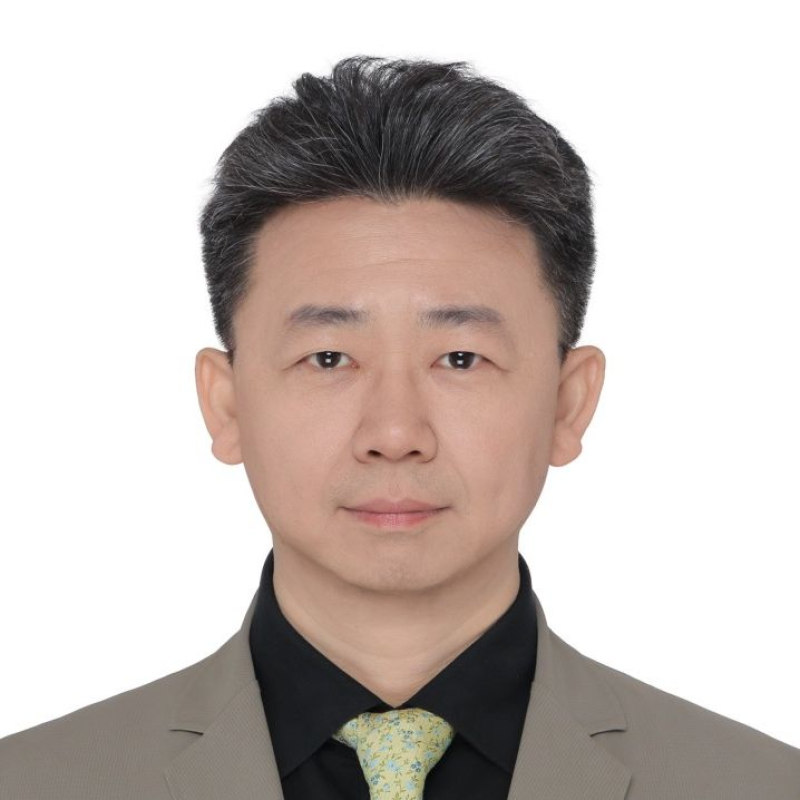
Chen Ning
Pitches on technological innovations contributing to the SDGs
| 11:15 SAST - 12:20 SAST
Blue Room, Exhibition Hall
Fungal protein for food security
More sustainable than proteins from livestock and crops
11:15 – 11:25 - Dr Ghaneshree Moonsamy, CSIR Principal Researcher
Dr Moonsamy, a fungal expert at the CSIR Biomanufacturing Industry Development Centre, will discuss the many sustainability and cost advantages of producing protein in a bioreactor over producing it from livestock or crops.
Read more in the #sustainability edition of the CSIR publication, ScienceScope: https://indd.adobe.com/view/331ae416-bb7a-4f6e-8df1-022b650ebb6d
Rapid tests to screen for crop virus infections
Animal-free antibody discovery and production
11:35 – 11:45 - Dr Priyen Pillay, CSIR Senior Researcher
Dr Pillay will talk about using bacteria and plants, rather than animals, to amplify target proteins unique to local crop virus strains. These proteins can then be used to create matching antibodies for point-of-care virus diagnostic kits for use on farms.
Read more in the #sustainability edition of the CSIR publication, ScienceScope: https://indd.adobe.com/view/331ae416-bb7a-4f6e-8df1-022b650ebb6d
Building trust from farm to fork
Digital tracing with ILIMA helps small famers
11:55 – 12:05 - Anieke Swanepoel, CSIR researcher
Anieke Swanepoel will demonstrate how the ILIMA platform provides customers with farm-to-fork transparency, covering growth hormones, medicines, feeding practices, farm conditions, storage and refrigerated transport to markets.
Read more in the #sustainability edition of the CSIR publication, ScienceScope: https://indd.adobe.com/view/331ae416-bb7a-4f6e-8df1-022b650ebb6d
Speakers & Presentations


Africa's sustainability challenges and opportunities: energy and low-carbon development strategy
| 11:15 SAST - 12:45 SAST
Diamond
Africa is striving to develop renewable energy sources while also increasing access to energy. Although the continent has great renewable energy capacity, more than 500 million people still lack consistent access to electricity. The lack of coherent energy policy presents a significant obstacle preventing efficient coordination and slowing progress towards the advancement of SDG7 (Affordable and Clean Energy).
At the same time, emerging technologies such as AI-powered smart grids and grid hydrogen offer solutions to grid instability and industrial carbon emissions. However, these solutions must be tailored to local requirements taking infrastructure limitations, technical knowledge, and affordability into account.
Drawing on these insights, this session will address the different key questions. We will explore how African countries can align their fragmented energy policies with SDG 7 to ensure both universal energy access and renewable energy development. And we will dive into how Africa can localise modern energy technologies, such as AI-powered smart grids and grid hydrogen, to meet its specific needs and overcome its energy access challenges. During the session, experts will explore practical solutions and strategic pathways for a sustainable future.
Speakers & Presentations
Peter Mukoma
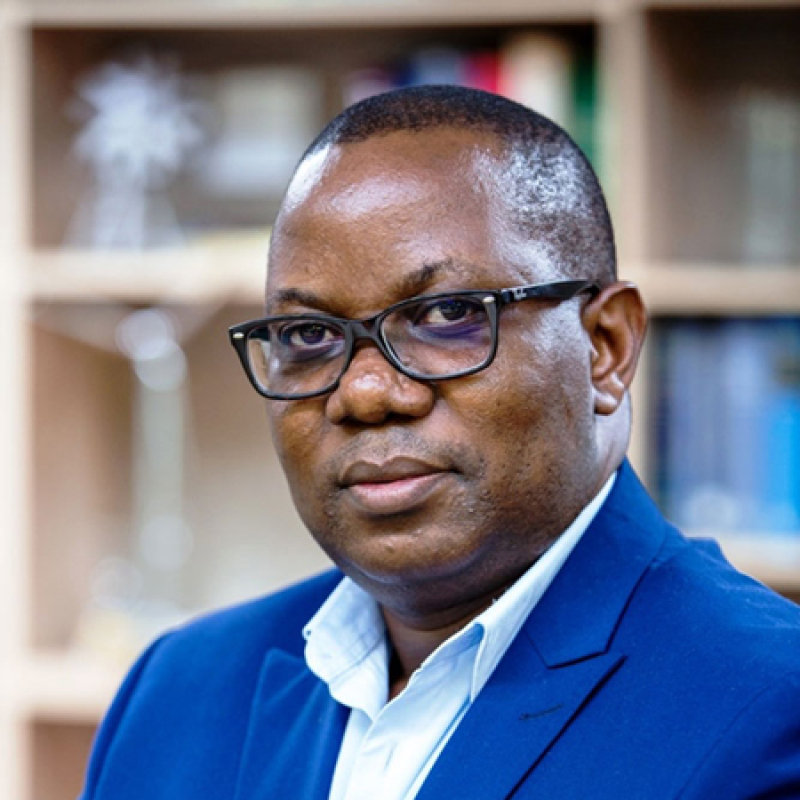
Guotian Cai
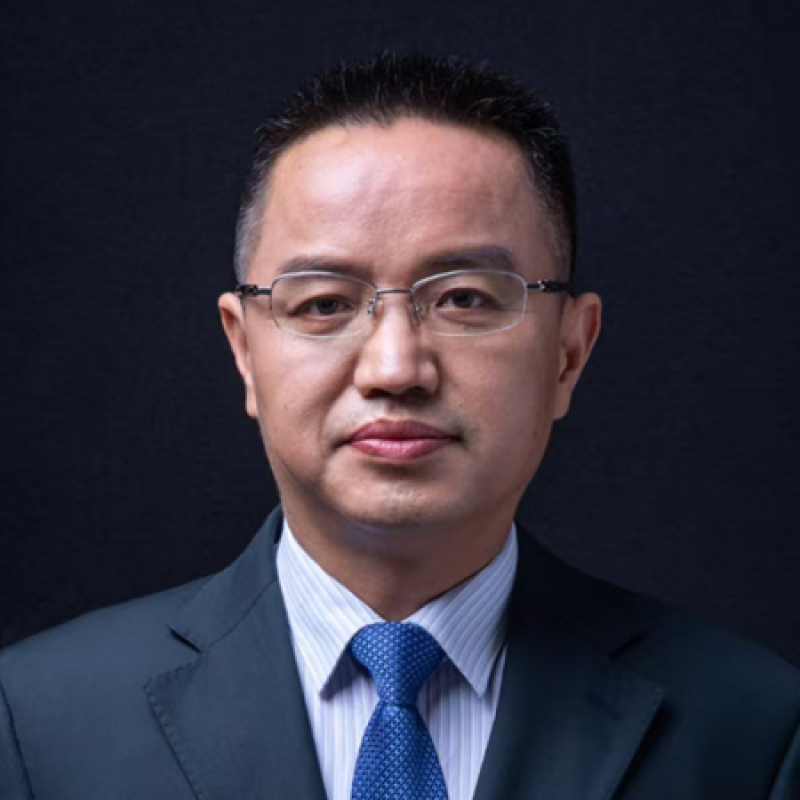

Rouba Onaissi

Robin J. White
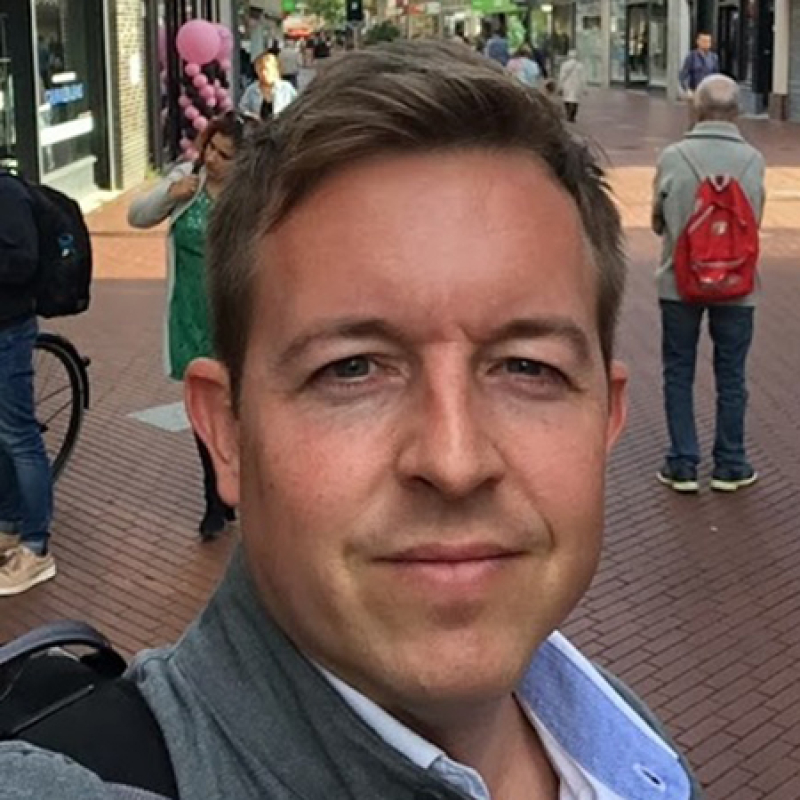
Raj Naidoo
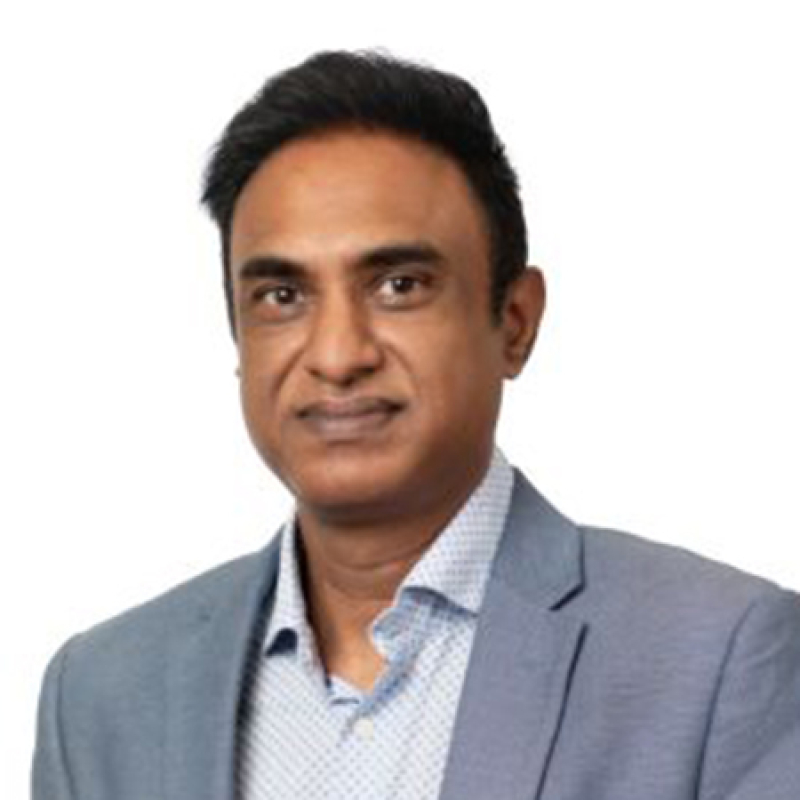
Peng Wang
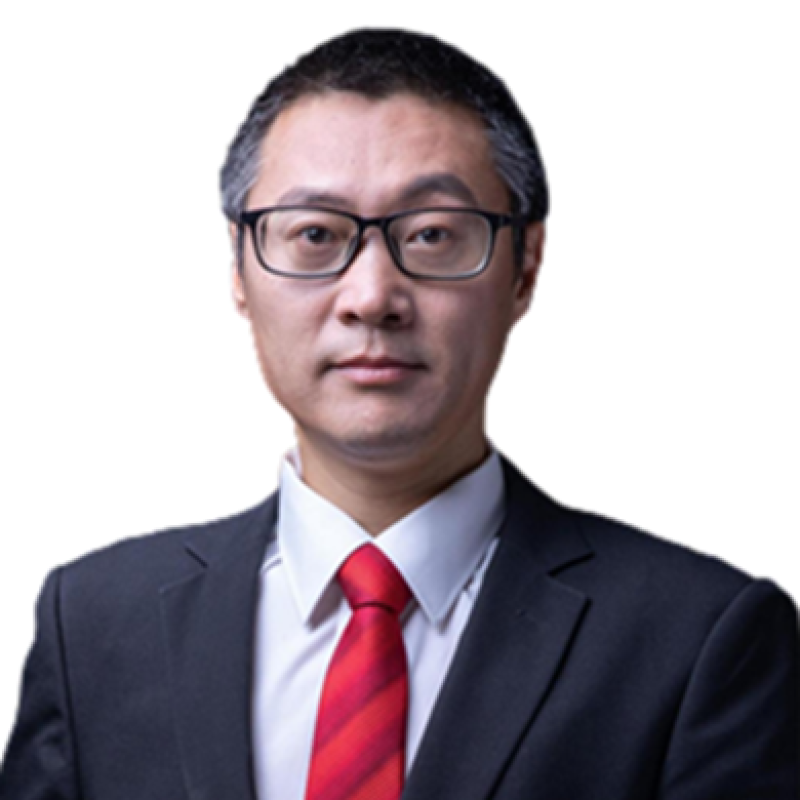
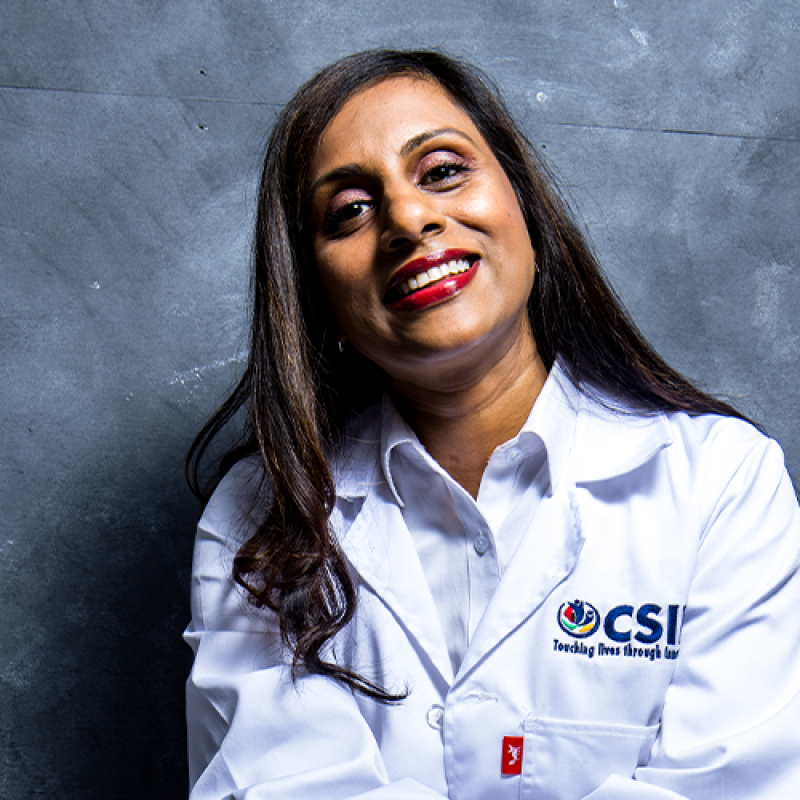
Rouba Onaissi
Izael De Silva
Health and the 2030 Agenda: strengthening global cooperation for health and sustainable development
| 11:15 SAST - 12:45 SAST
Ruby
The 2030 Agenda was designed to address global challenges, but progress has stalled due to political fragmentation and the escalating climate crisis. Climate change worsens hunger, poverty, inequality, and health risks. In 2023, 733 million people were facing hunger, and rising temperatures and extreme weather events are fuelling disease outbreaks such as the 12.4 million cases of dengue fever in 2024 and the over 350,000 cases of cholera in Africa since 2021.
Ocean degradation is also disrupting food systems and livelihoods. Fragmented policies on climate, biodiversity, and pollution often hinder progress on the Sustainable Development Goals (SDGs). Health is deeply affected by, and central to, sustainable development — it must be integrated across policies. Resilient, equitable health systems support gender equality, education, and food security.
Ahead of COP30 and the Global Goal on Adaptation talks, this G-STIC conference is a pivotal moment to incorporate health into adaptation indicators. This session will bring together global experts to promote action and innovation for integrated, climate-resilient health strategies and accelerate the achievement of the SDGs.
Speakers & Presentations
Paulo Gadelha
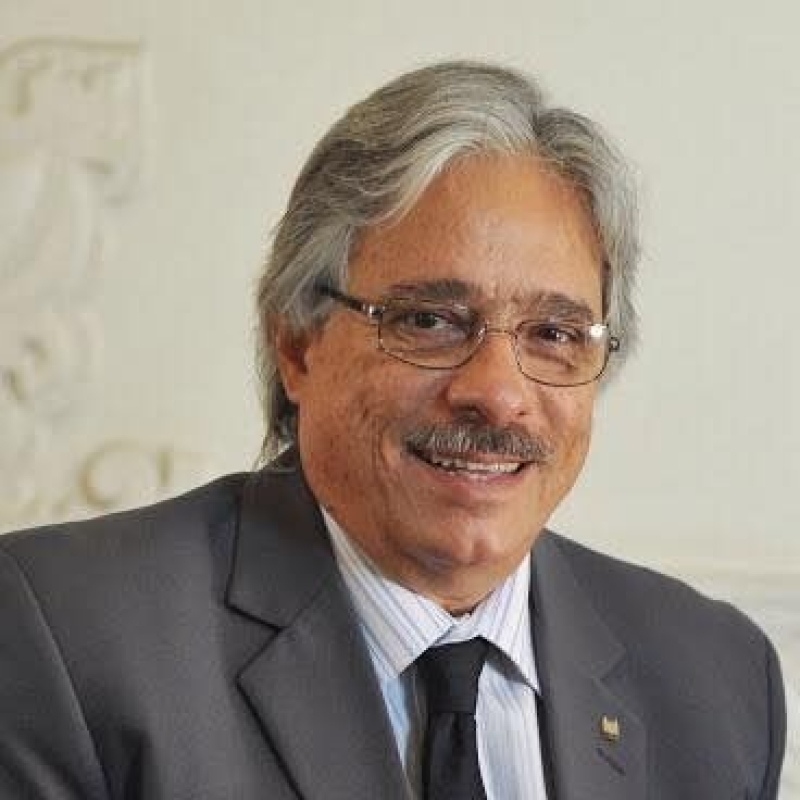
Rachel Chikwamba
Alexander Turra
Lieve Fransen
Nuno Ibra Remane
Water at the core of Africa’s pathway towards resilience: inspiring innovations that tackle actual and future challenges
| 11:15 SAST - 12:45 SAST
Onyx / Garnet / Crystal
Water is the cornerstone of sustainable development, yet it remains a fragile and unevenly distributed resource across Africa. Rapid population growth, urbanisation, climate variability, pollution, and insufficient investments in infrastructure are putting immense pressure on water systems that are already under strain. In many parts of the continent, millions of people still lack access to safe and reliable water, which undermines health, food security, economic development, and environmental sustainability.
This plenary session will explore the multifaceted challenges confronting Africa’s water security, while highlighting the innovations and policy pathways that could help to shape a more resilient future.
Speakers & Presentations
Paul Campling
Sean Phillips
Jennifer Molwantwa
Diego J. Rodriguez
Nico Elema
Paul Campling
Pitches on technological innovations contributing to the SDGs
| 12:45 SAST - 13:50 SAST
Blue Room, Exhibition Hall
Innovation for underserved communities
Advanced technologies bringing solutions to rural South Africa
12:45 – 13:00 - Bongani Memela, CSIR Interim Executive Manager: Hosted Programmes
Bongani Memela will highlight and demonstrate how advanced technologies can make a difference in rural environments. His talk will show how innovation addresses the needs of underserved communities in South Africa and supports inclusive development.
Protecting smallholder farmers when disaster strikes
Parametric insurance with ARC Ltd builds resilience across Africa
13:10 – 13:25 - Eleanor Kigen, Business Development Lead, East and Southern Africa, ARC Ltd
Eleanor Kigen will demonstrate how parametric insurance enables smallholder farmers to access rapid payouts after climate shocks, reducing vulnerability to climate disasters. This approach provides predictable, transparent protection that strengthens food security and safeguards livelihoods.
Decarbonising industry through collaboration
How industrial clusters can drive circularity and clean energy solutions
13:35 – 13:50 - Lee-Hendor Ruiters, Principal Project Manager, National Cleaner Production Centre, South Africa
Lee-Hendor Ruiters will give an overview of how industrial zones and spaces can support circularity and sustainable energy solutions. His talk is based on international partnership projects of the National Cleaner Production Centre South Africa.
Speakers & Presentations
Bongani Memela
Eleanor Kigen

Lee-Hendor Ruiters

Pitches on technological innovations contributing to the SDGs
| 14:00 SAST - 15:25 SAST
Blue Room, Exhibition Hall
Compost this: heat-and-eat packaging
Heat-stable, preventing spoilage and easy to manufacture
14:00 – 14:10 - Dr Jayita Roy, CSIR Principal Researcher
Dr Sinha Roy, a polymer nanocomposites researcher at the CSIR, will share how a new biodegradable polymer can be used in food packaging. This polymer has been validated in pilot-scale production and can easily be integrated into existing packaging processes.
Read more in the #sustainability edition of the CSIR publication, ScienceScope: https://indd.adobe.com/view/331ae416-bb7a-4f6e-8df1-022b650ebb6d
Compost this: medical bioplastics
Single-use surgical aprons and diagnostic kit cassettes
14:25 – 14:35 - Dr Maya Mathew, CSIR Principal Researcher
Dr Mathew will discuss new biodegradable innovations that address a major environmental pollution issue. Traditional single-use diagnostic kit cassettes and surgical aprons, which are used in large quantities every day in the medical industry, are made from petroleum-based plastics that do not biodegrade.
Read more in the #sustainability edition of the CSIR publication, ScienceScope: https://indd.adobe.com/view/331ae416-bb7a-4f6e-8df1-022b650ebb6d
Compost this: fruit and vegetable mulching
Pineapples grow faster under a new biodegradable crop soil cover
14:50 – 15:00 - Dr Vincent Ojijo, CSIR Principal Researcher and Research Group Leader in Advanced Polymer Composites
Dr Ojijo, a polymer expert at the CSIR, will demonstrate a new biodegradable mulch film designed to fully decompose into carbon dioxide, water and biomass. Early results from farm trials in Ghana and the Eastern Cape suggest that the mulches improve the growth rate of pineapples.
Read more in the #sustainability edition of the CSIR publication, ScienceScope: https://indd.adobe.com/view/331ae416-bb7a-4f6e-8df1-022b650ebb6d
Repair, don’t replace!
Use laser tech for refurbishment and 3D printing
15:15 – 15:25 - Dr Luyolo Mabhali, CSIR Executive Manager for Future Production: Manufacturing
Dr Mabhali will share examples of how photonics researchers use laser technology to create, maintain, repair and refurbish metal components. This approach saves time and money, while being environmentally friendly.
Speakers & Presentations

Vincent Ojijo

Luyolo Mabhali

Building national resilience through home-grown technological innovations for safety and security
| 14:00 SAST - 15:30 SAST
Onyx / Garnet / Crystal
This session emphasises the importance of leveraging homegrown and localised technologies for national security, industrial growth, and safety through a 'whole-of-society' approach. It addresses the strengthening of sovereign technologies for defense, cybersecurity and public safety, as well as enhancing border security and using data for disaster resilience and safety management.
Key challenges include security vulnerabilities impacting SDG progress, the specific security and sustainability hurdles faced by South Africa, policy shifts for technology sovereignty, and effective private-public partnership models. The session aims to identify actionable strategies and technological innovations, emphasizing SDG 9 (industry), SDG 16 (peace, justice, and safety), and SDG 13 (climate action). The aim is to foster collaboration and improve understanding of the role of technology in achieving safe and sustainable development.
Speakers & Presentations
Mphahlela Thaba
Mike Masiapato

Mthobisi Clyde Zondi


Moses Khanyile
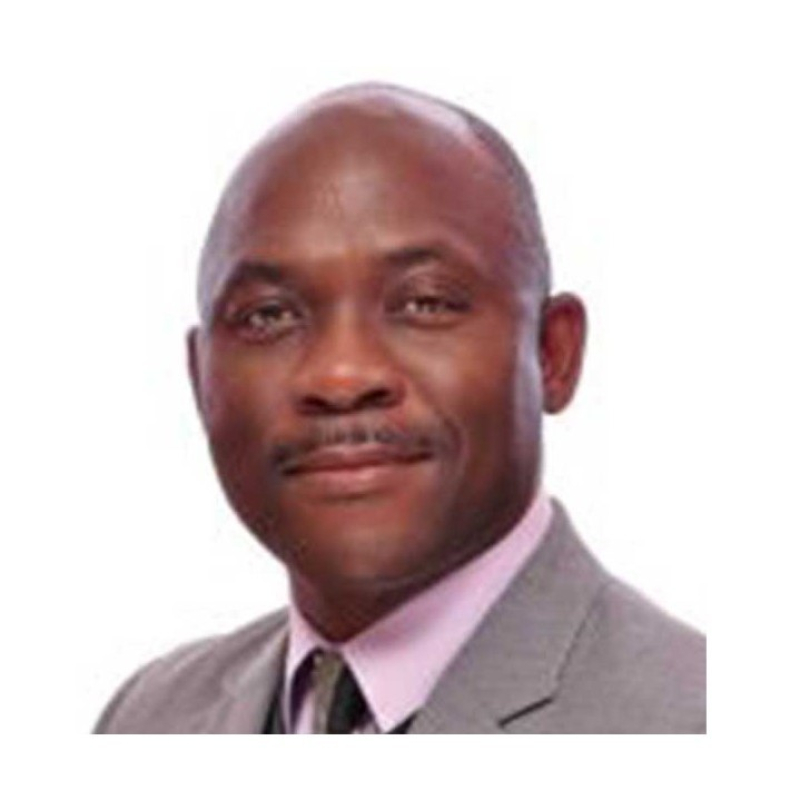
Sandile Ndlovu

Finance Matchroom - Part I
| 14:00 SAST - 15:30 SAST
Amethyst
This brokerage event brings together innovators, climate scientists, philanthropic organisations, development banks, and public funders to accelerate the development of climate solutions in Africa and around the world. Designed as an interactive matchmaking forum, it addresses the question of how to increase impact with funding.
The session features a dynamic mix of presentations, reversed pitching and curated one-to-one meetings to unlock new partnerships across the climate, innovation and finance landscape. Special attention is given to aligning innovation pipelines that link R&D, demonstration and deployment with the appropriate financial instruments. Whether you are a funder seeking impact or a project team ready to scale up, this is where climate deals begin.
Participation is by invitation only. If you are interested in the event, please reach out to ilke.geleyn@vito.be.
Strengthened agricultural productivity and resilient food systems
| 14:00 SAST - 15:30 SAST
Diamond
Global food security remains a major challenge, requiring increased agricultural productivity and resilient food systems to achieve sustainable development. Emerging technologies are crucial for increasing food production, and managing the complex interactions between animal, human, and environmental risks within the food system.
Digitalisation is vital for transforming agriculture in the Global South, particularly in Africa. However, a significant digital divide is reported to limit equitable access to technology and improved agricultural productivity. Several barriers to agricultural technology exacerbate food insecurity, with some being associated with social factors and norms. These complex challenges require comprehensive interventions by multiple stakeholders across the agricultural value chain to achieve the transformation of sustainable food systems.
Speakers & Presentations
Lewis Hove
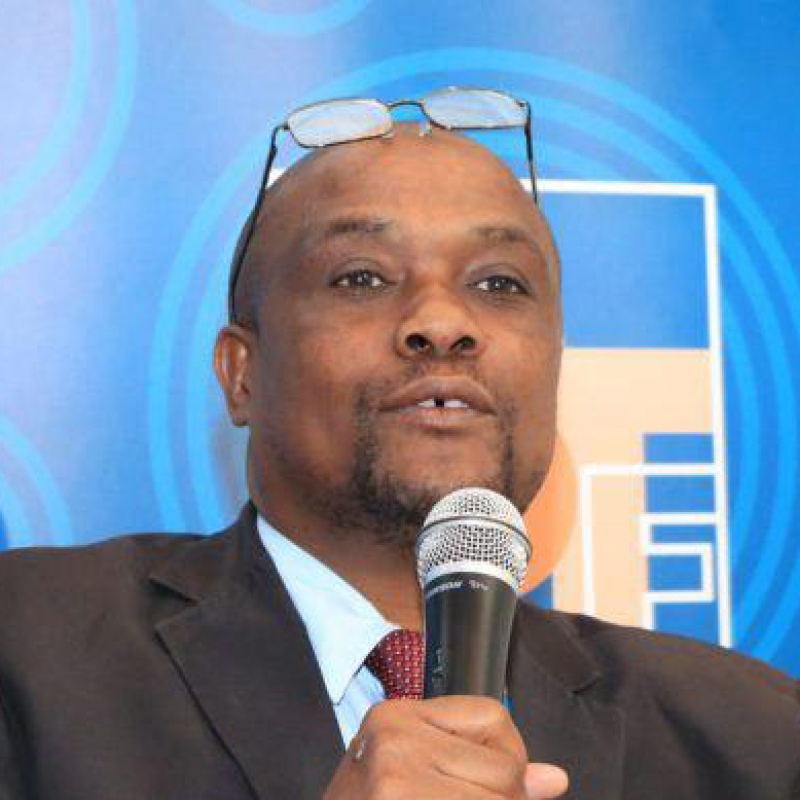
Grant Stentiford
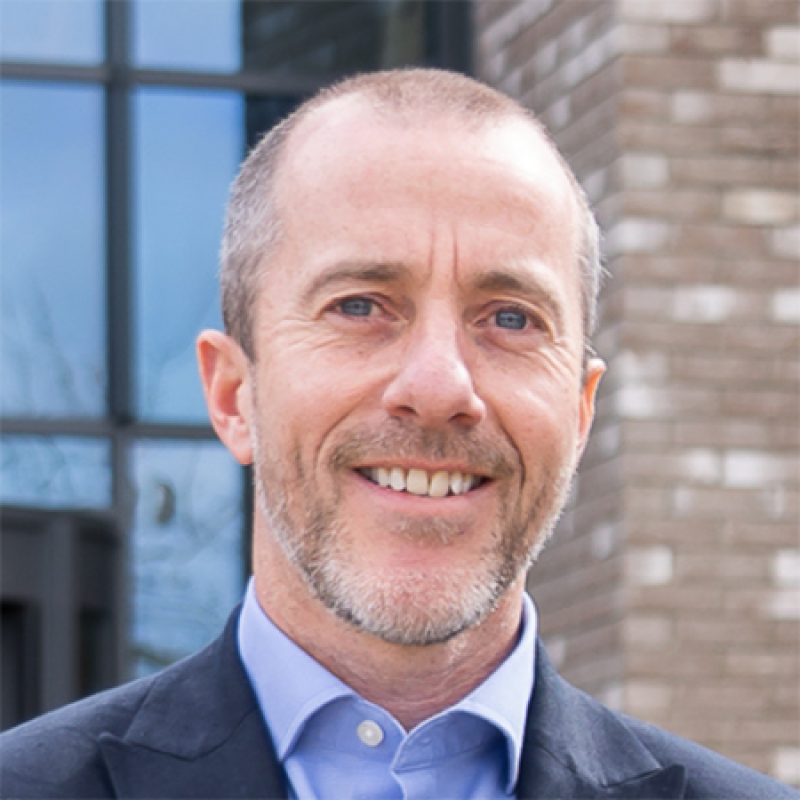

Sonja Venter
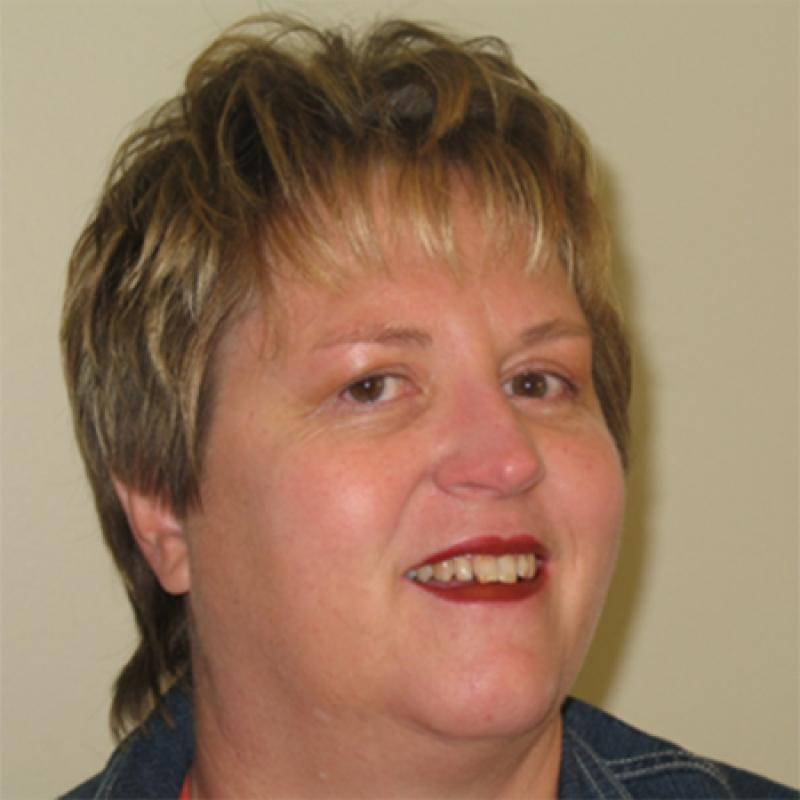
Wandile Sihlobo

Climate action as a catalyst: Driving SDG progress and NDC ambition globally and locally
| 14:00 SAST - 15:30 SAST
Ruby
The climate crisis is not just an environmental challenge; it is also a catalyst for accelerating sustainable development across sectors and regions. This session will explore how climate action can drive progress on the Sustainable Development Goals (SDGs) and strengthen the ambition of Nationally Determined Contributions (NDCs) at global and local levels.
Drawing on expertise in areas such as health, water, agriculture, education, energy and climate policy, our panel will emphasise the interconnected nature of climate action and the pivotal role of Research & Technology Organisations (RTOs) in delivering solutions. The speakers will reflect on shifting priorities in a rapidly changing policy landscape and discuss how collaboration across disciplines and regions can foster innovation, resilience and equity in the climate transition.
Leading voices including Paulo Gadelha (Fiocruz), Vibha Dhawan (TERI), Brian Mantlana (CSIR), Xuehong Wang (UNFCCC) and Lorren Haywood (CSIR) will be brought together for the session, which will be moderated by Leen Govaerts (VITO/EERA). Together, they will explore how climate action can be leveraged as a powerful driver of sustainable futures worldwide.
Speakers & Presentations
Brian Mantlana
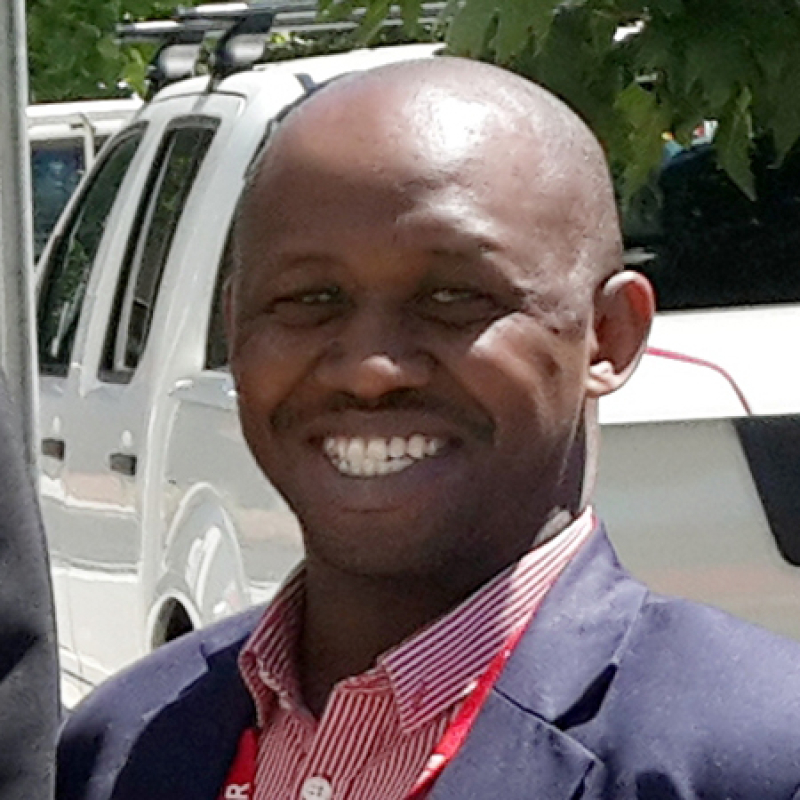
Paulo Gadelha
Lorren Haywood

Xuehong Wang
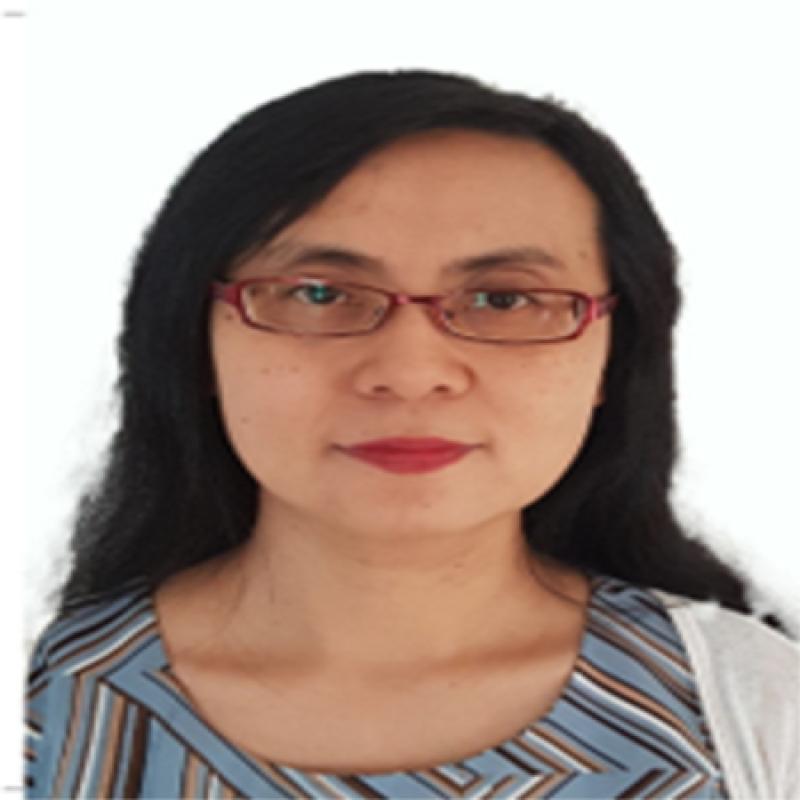
Bioeconomy and sustainable development: preparing for G20 and COP30
| 16:00 SAST - 17:30 SAST
Diamond
Fueling sustainable development of Africa’s bioeconomy is both an opportunity and a pressing challenge. Africa has a huge potential of biomass production and more than 40% of its population is involved in food production through agriculture. However, the continent is unable to benefit from the valorisation of its biomass. A lack of storage and processing capacity leads to significant losses, with international markets capturing the greatest share of added value.
This session will evaluate how Africa can benefit more from its agriculture and forestry in a sustainable way that supports social development.
The session will begin with a keynote address on the current state of the bioeconomy in Africa. The importance of agriculture and primary production will be explained, followed by an examination of the extensive indigenous knowledge concerning specific plants and the underutilisation of this knowledge. Representatives from industry will then discuss market opportunities in the sugar and forestry sectors.
Through the final panel discussion, the presenters will issue a joint statement to the GIB and COP30 on the role of the bioeconomy in promoting sustainable development that benefits local communities.
Speakers & Presentations
Ludo Diels
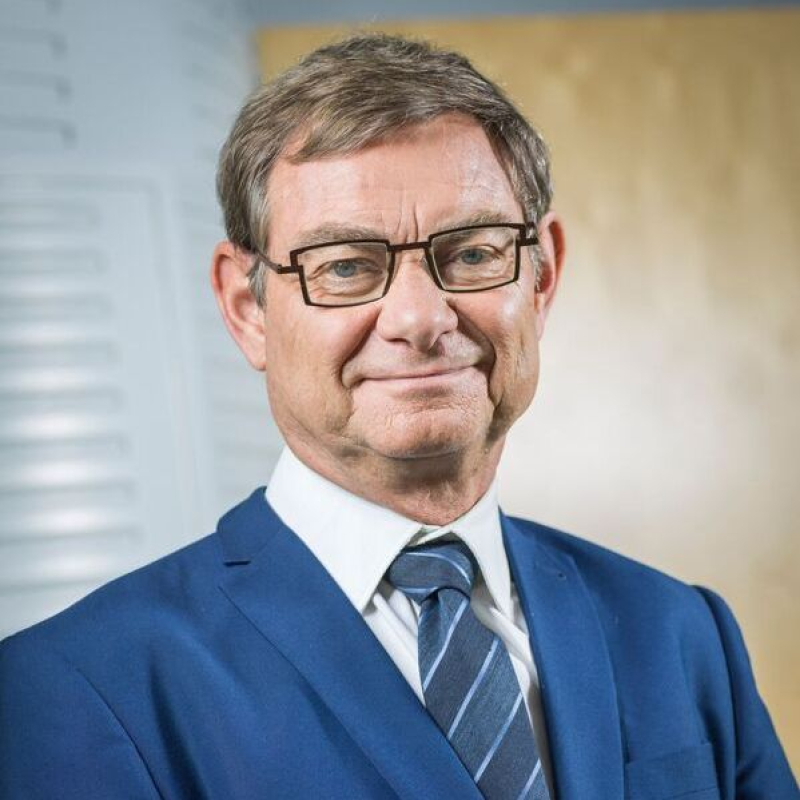
Ben Durham
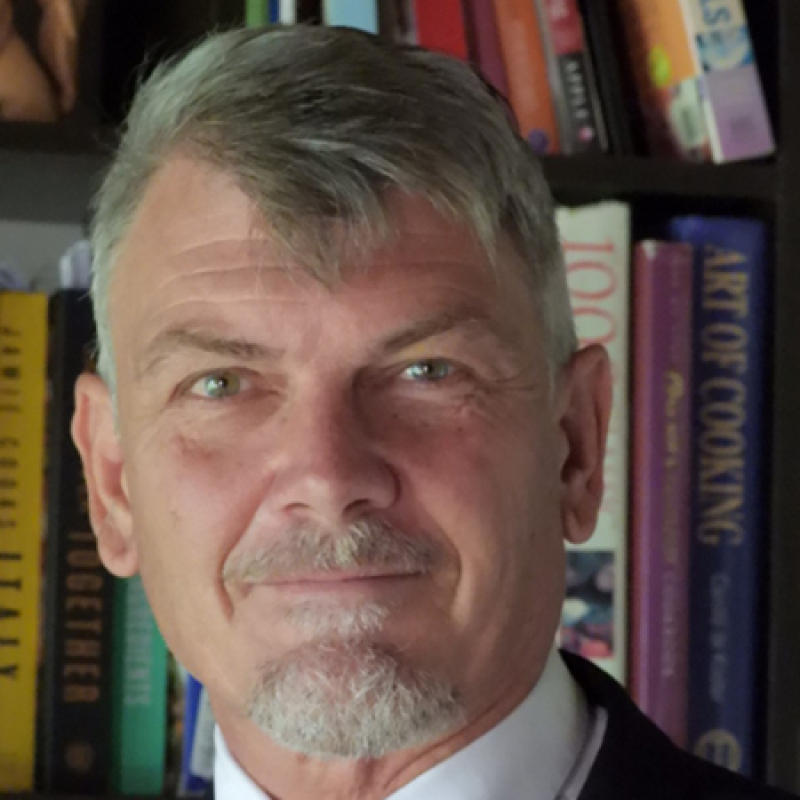
Nthabiseng Motete

Aunkh Chabala

Khorommbi Matibe
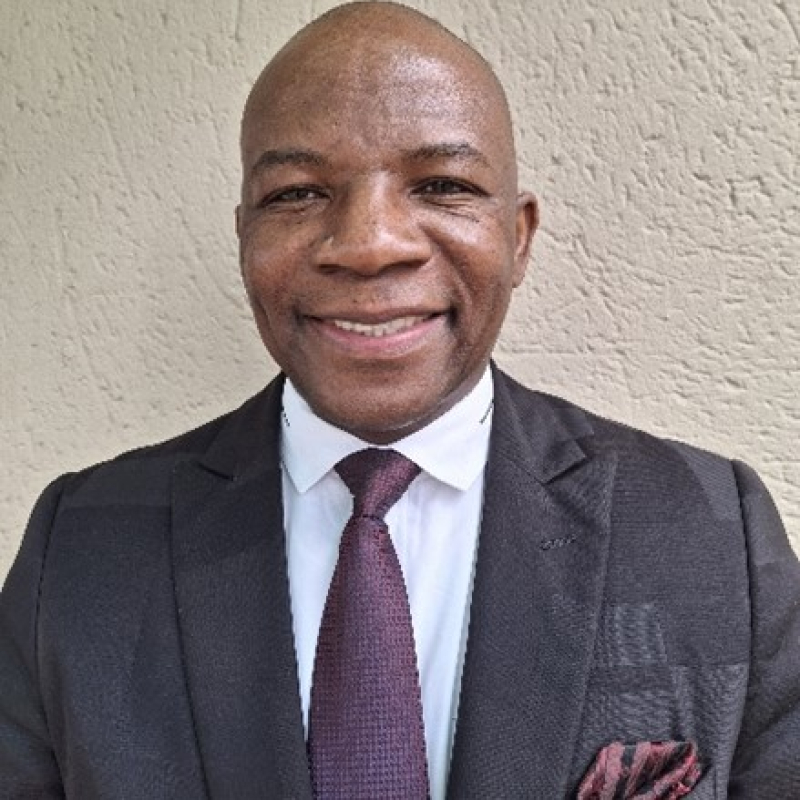
Tshepo Mangoele

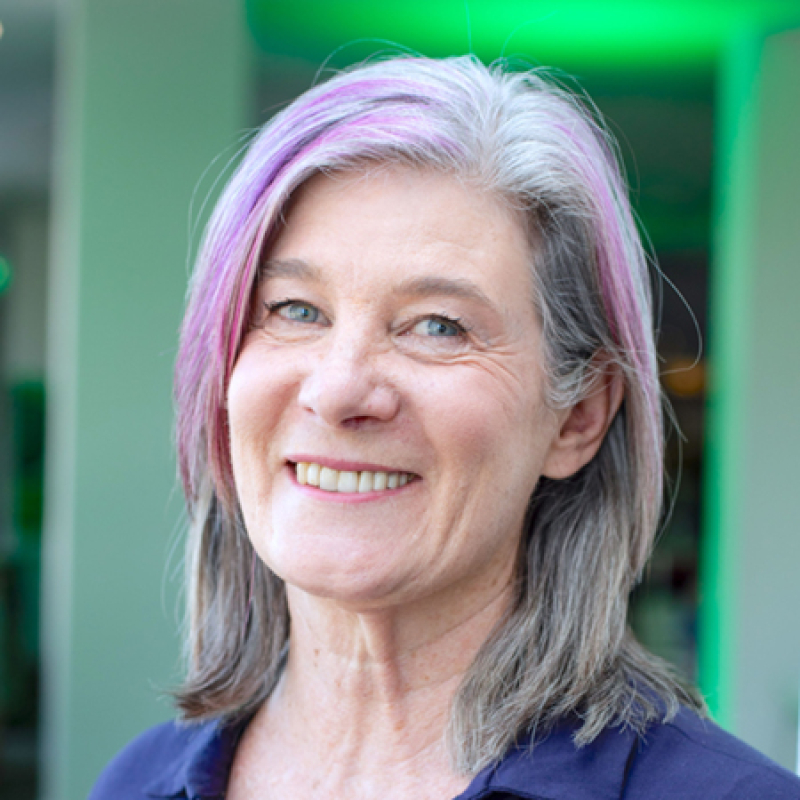
Jane Malony
Innovations and integration of geothermal energy in the global renewable landscape
| 16:00 SAST - 17:30 SAST
Emerald
Geothermal energy is a stable and low-carbon resource from the Earth's crust that can provide reliable power and heat regardless of the weather or time of day. It can be used for both electricity generation and a variety of direct applications such as heating, agriculture, and industry, and can contribute to energy diversification and climate goals.
Technologies range from steam-based power plants to geothermal heat pumps. Innovations such as Enhanced Geothermal Systems (EGS) and Super-long Gravity Heat Pipe (SLGHP) systems are expanding access to previously untapped resources and improving the efficiency with which heat is extracted. Even though global capacity is growing to 15 GW for power and over 100 GW for direct heat—geothermal energy still faces high upfront costs, exploration risks, and site-specific limitations.
This session will explore emerging technologies, international collaboration, and successful case studies in power and direct-use applications. Experts will discuss the challenges involved in scaling up geothermal energy, and the strategies to unlock its full potential for a sustainable energy future.
Speakers & Presentations

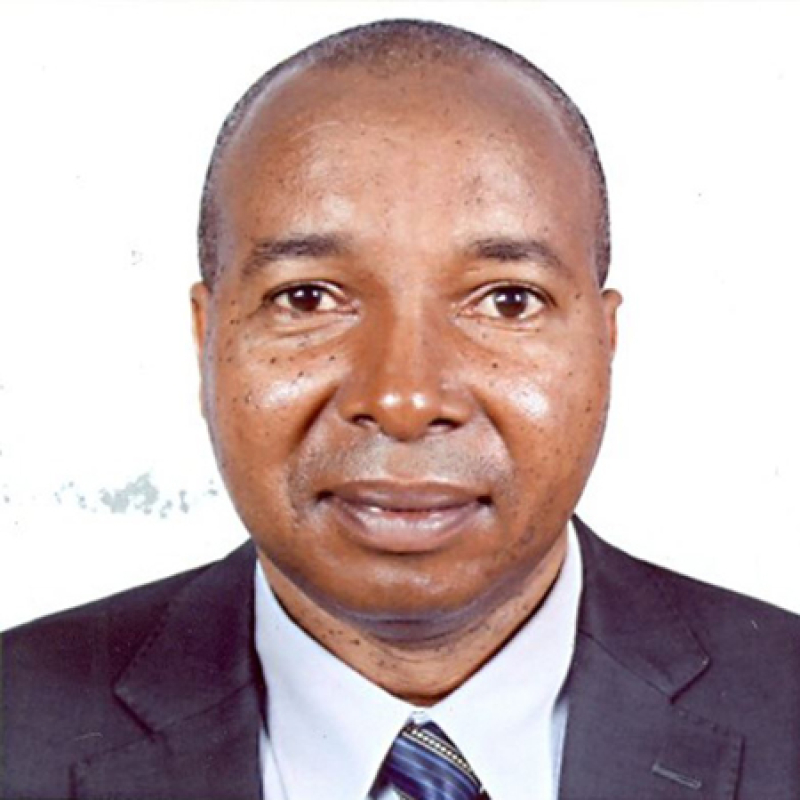
Qasir Iqbal

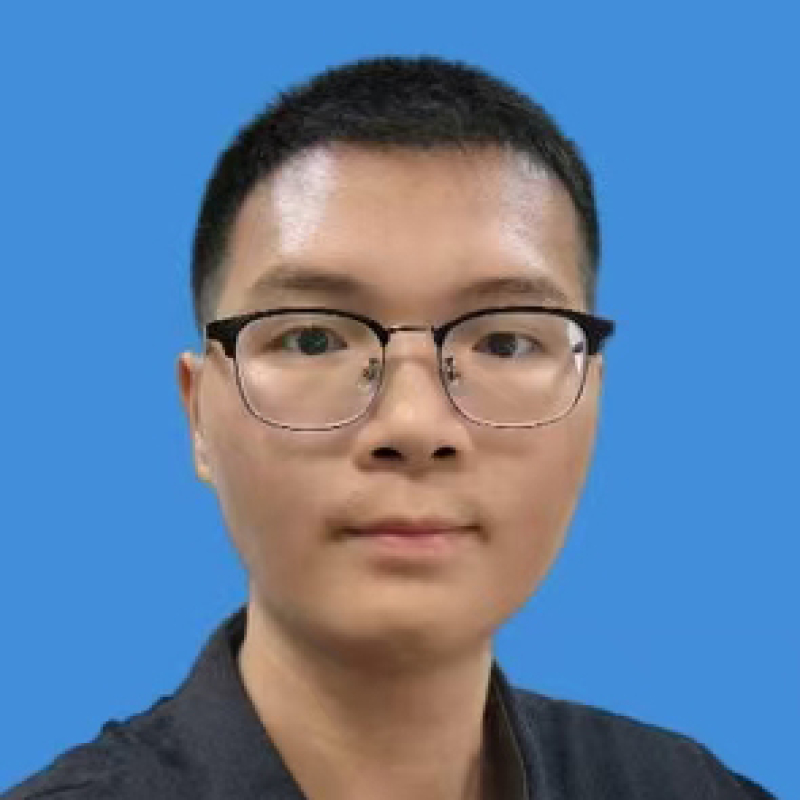
Yishu Qiu
Building climate-resilient health systems: equity, innovation, and the 2030 Agenda
| 16:00 SAST - 17:30 SAST
Ruby
Climate change poses an increasing threat to public health, particularly for vulnerable groups who face systemic inequalities and limited access to healthcare. Extreme weather events, such as heatwaves, floods, and wildfires, are linked to rising rates of cardiovascular and respiratory issues, mental health problems and other health issues, particularly in urban areas affected by the heat island effect and pollution. Healthcare facilities are also at risk, with climate disruption threatening infrastructure and continuity of care.
This session will bring together global experts to promote equity-centred strategies that strengthen health systems through the use of science, technology, and innovation. The focus will be on genomic surveillance, environmental data, and inclusive planning to protect vulnerable groups, ensure access to care, and advance the health-related goals of the 2030 Agenda.
Speakers & Presentations
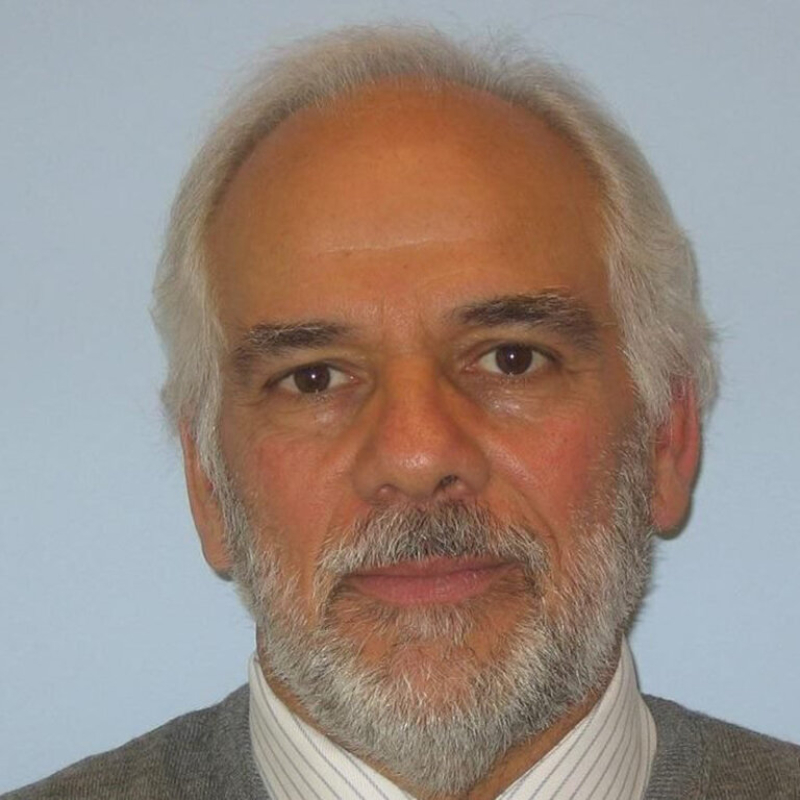
Luiz Augusto Galvão
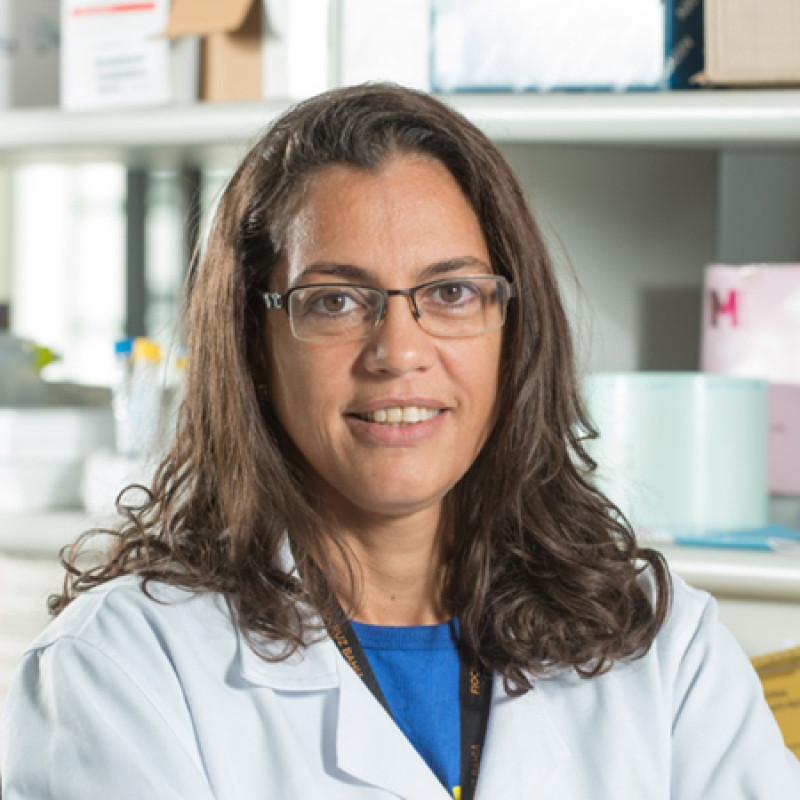
Charles Akataobi Michael

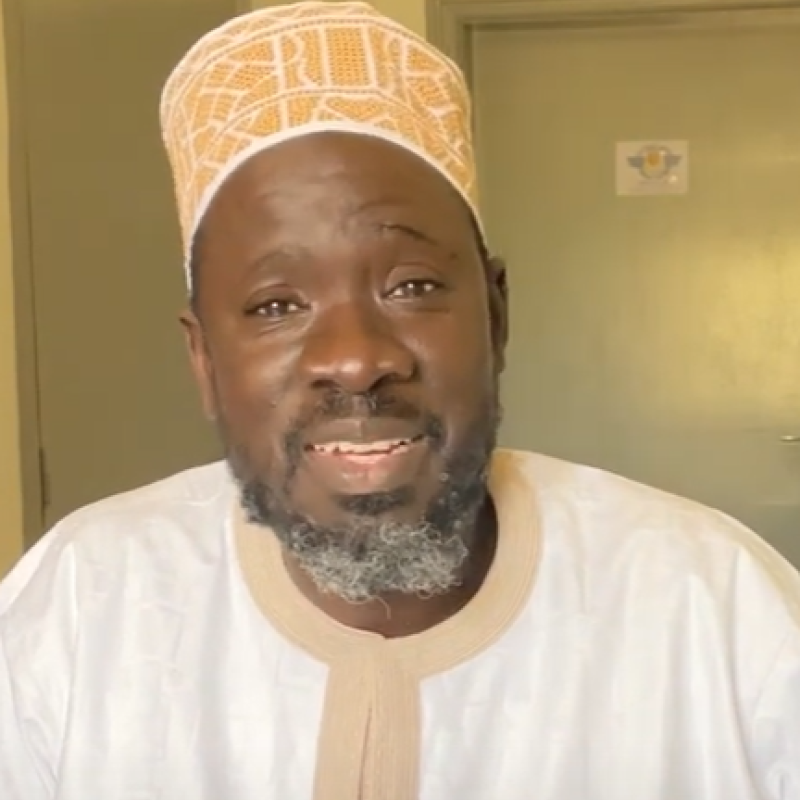
Ousmane Ndiaye
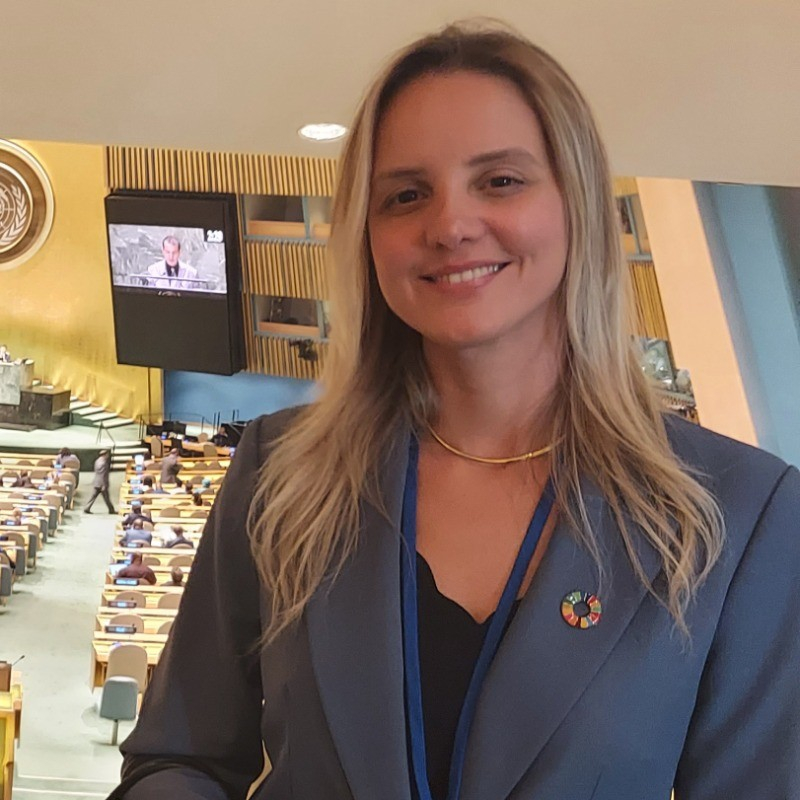
Climate-resilient future: exploring water-positive pathways
| 16:00 SAST - 17:30 SAST
Jade
Water scarcity is intensifying across the globe due to increasing demand, pollution, and climate change. Regions that were once rich in freshwater are now experiencing seasonal shortages, while those that were already arid are facing an even greater strain on their resources. Building climate resilience requires smarter water use, stronger governance, and sustainable investments across all sectors.
This session will explore how industries, agriculture, and governments can transition towards water-positive pathways, moving beyond efficiency to regenerate water sources and reduce risk. Innovative strategies will be highlighted, from precision farming and industrial water stewardship to cross-sectoral collaboration. Experts from the fields of policy, business, science, and civil society will share their insights and tools for integrating climate adaptation and water sustainability. Together, we will explore how a water-positive approach can support the achievement of key SDGs, such as clean water, climate action, sustainable consumption, and ecosystem health.
Speakers & Presentations
Anshuman
Felix Reinders
Richard Taylor

Katrien Van Hooydonk
Poulomi Banerjee

Anshuman
Leveraging technology and innovation for strategic safety, security, and resilience in South Africa
| 16:00 SAST - 17:30 SAST
Onyx / Garnet / Crystal
South Africa’s strategic safety and security technology capabilities offer significant potential to address national and global development challenges. From disaster response to digital infrastructure, homegrown innovation can play a vital role in building more resilient, inclusive, and secure societies. Unlocking this potential requires a whole-of-society approach — leveraging public–private partnerships (PPPs) to align technological progress with the Sustainable Development Goals (SDGs).
This session will explore four thematic deep dives into key technologies and innovation pathways. Specific opportunities to be highlighted include: secure digital infrastructure through PKI (SDGs 9.1, 16.a), long-range cameras for safer cities and borders (SDGs 11.1, 16.1), K-line sensors for early warning and climate resilience (SDGs 11.5, 13.1), and sovereign remote sensing for resource monitoring and disaster response (SDGs 13.2, 15.1). Together, these examples demonstrate how targeted joint ventures can accelerate progress on resilience (SDGs 9, 11), safety (SDG 16), and sustainable resource management (SDGs 13, 15).
Speakers & Presentations
Jabu Mtsweni
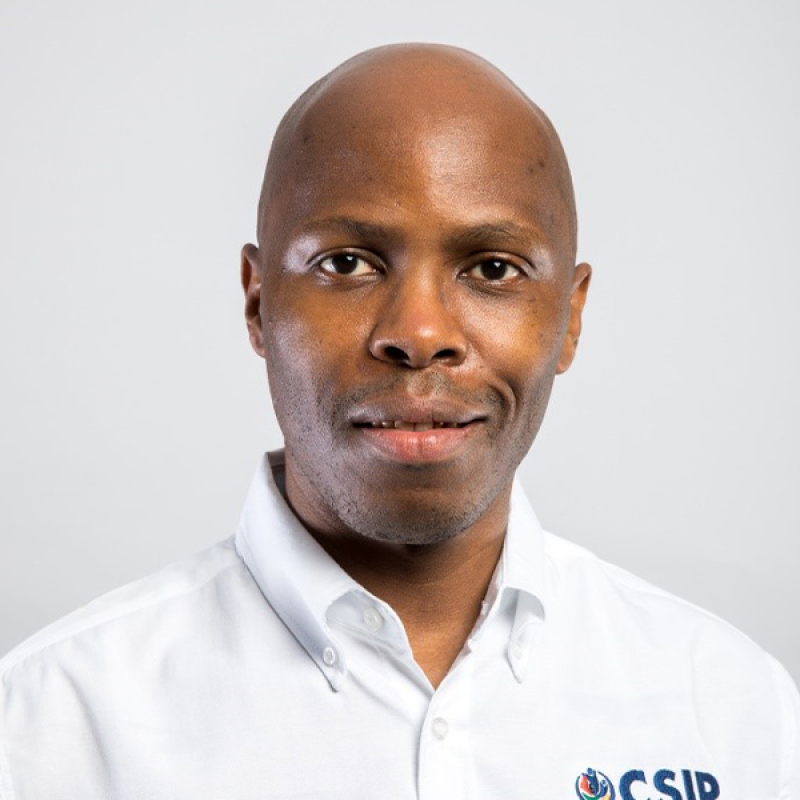
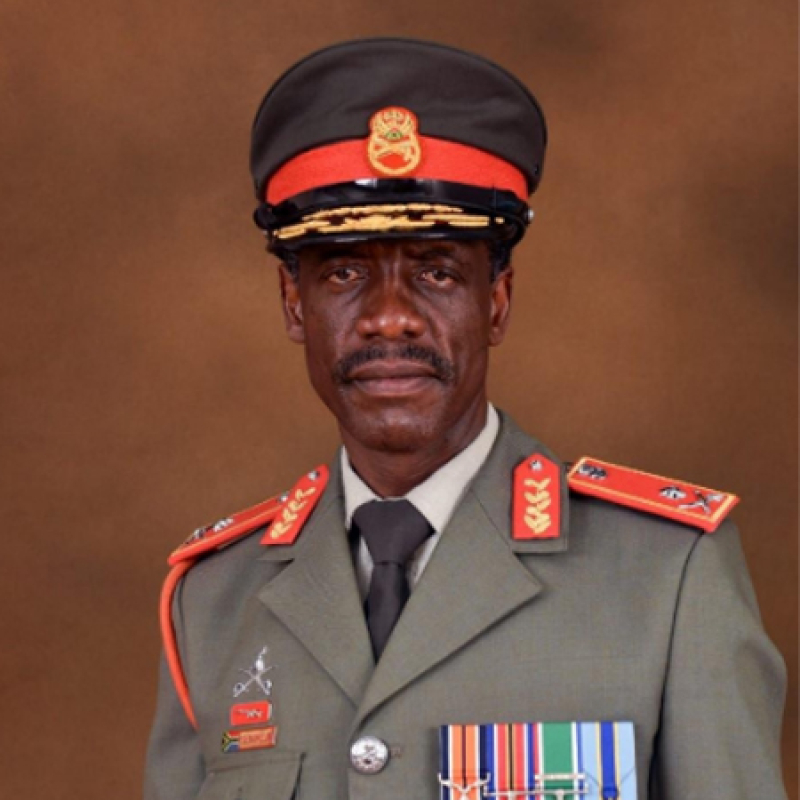
Brigadier General Mpaka Samuel Senamela
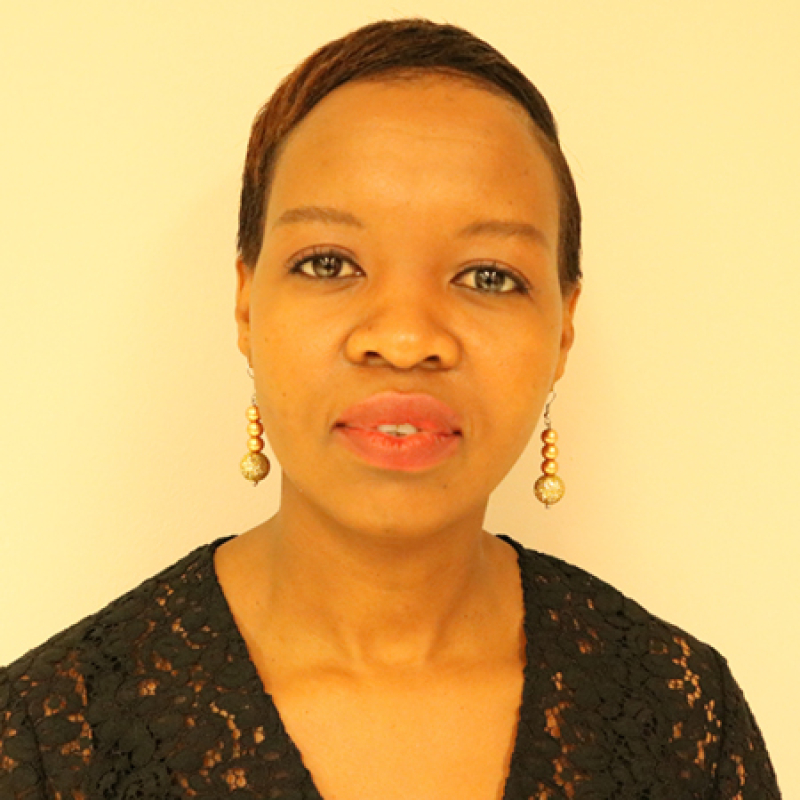
Malese Ndhlovu
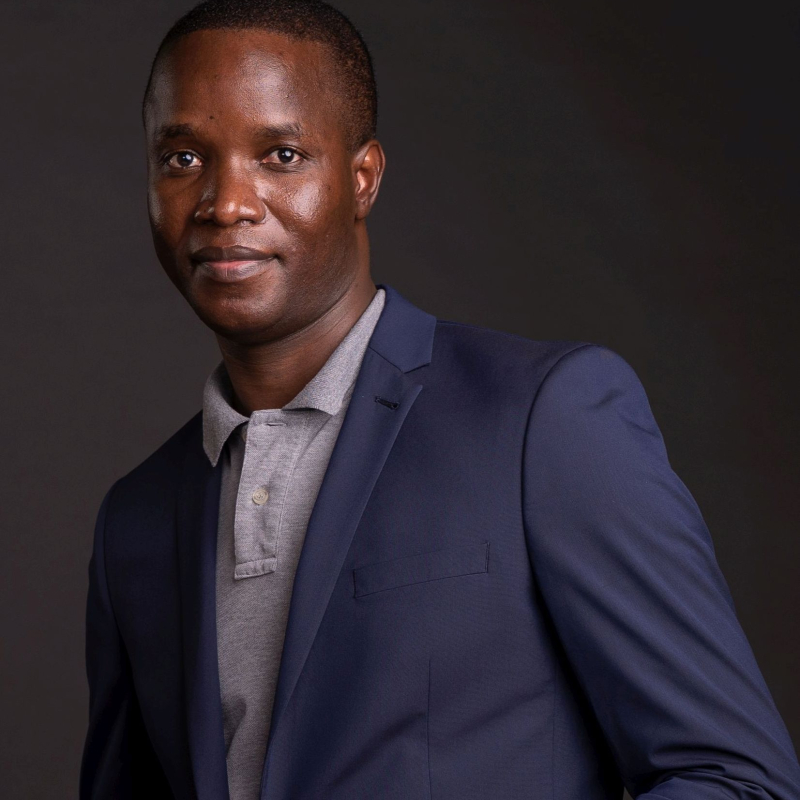
Edwin Magidimisha
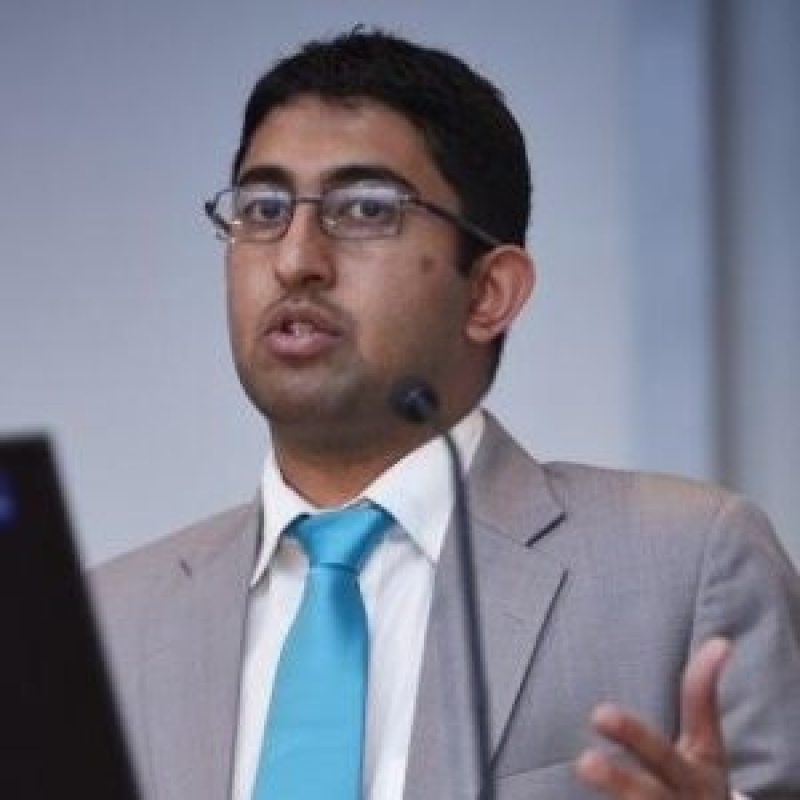
Jabu Mtsweni
Finance Matchroom - Part II
| 16:00 SAST - 17:30 SAST
Amethyst
This brokerage event brings together innovators, climate scientists, philanthropic organisations, development banks, and public funders to accelerate the development of climate solutions in Africa and around the world. Designed as an interactive matchmaking forum, it addresses the question of how to increase impact with funding.
The session features a dynamic mix of presentations, reversed pitching and curated one-to-one meetings to unlock new partnerships across the climate, innovation and finance landscape. Special attention is given to aligning innovation pipelines that link R&D, demonstration and deployment with the appropriate financial instruments. Whether you are a funder seeking impact or a project team ready to scale up, this is where climate deals begin.
Participation is by invitation only. If you are interested in the event, please reach out to ilke.geleyn@vito.be.
Pitches on technological innovations contributing to the SDGs
| 16:25 SAST - 17:05 SAST
Blue Room, Exhibition Hall
Educational drone development
16:25 – 16:40 - Prof. Mothibeli Pita, Associate Professor and Associate Chair (Lab commercialisation and collaboration), Unisa's College of Science, Engineering and Technology, Department of Mechanical, Bioresources and Biomedical Engineering
Prof. Pita’s tech talk and exhibition will focus on educational drone development. This is an innovative space that is rapidly evolving, marked by significant market growth and expansion into diverse academic fields. Drones have transitioned from a niche hobby to a powerful, interdisciplinary teaching tool that prepares students with future-ready skills. Notably, some of the drones that Prof. Pita develops, find application in the agricultural sector, in particular precision agriculture, enabling farmers to monitor their crops, manage water and nutrients, and apply pesticides more effectively.
The hardest million: funding food innovation from zero
From pre-seed to production; scaling Africa’s first fungal protein company
16:50 – 17:05 - Steyn du Plessis, CSIR C3, and Charles Reed, MycoSure
MycoSure aims to tackle hunger through sustainable protein technology. But first, its founders had to overcome investor scepticism about bioprocessing. In this talk, Steyn du Plessis and MycoSure co-founder Charles Reed share what it took to secure initial funding and chart the ambitious path towards building their production facility.
Speakers & Presentations
Steyn du Plessis
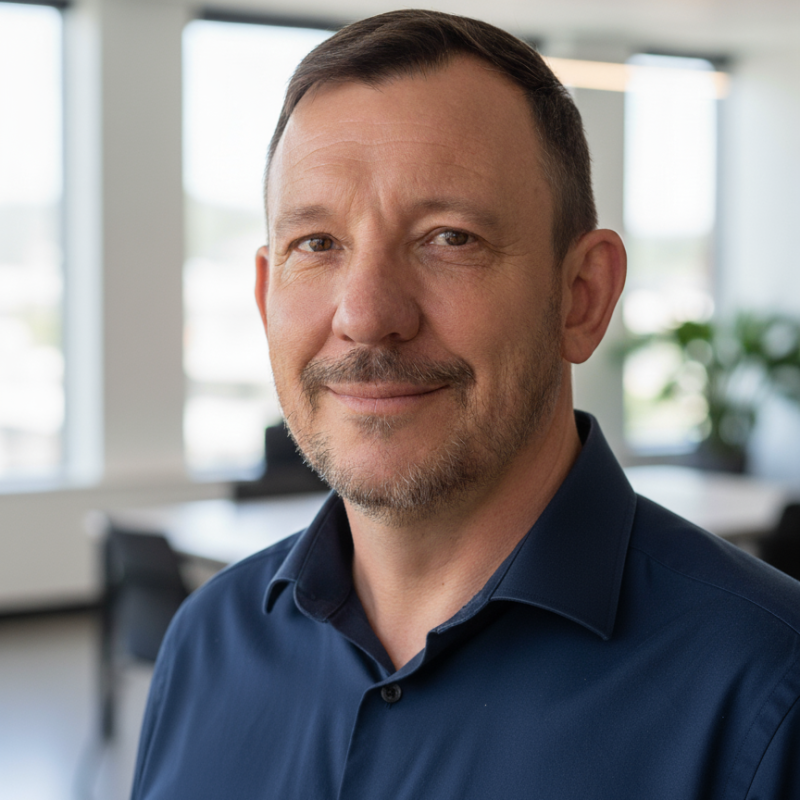
Charles Reed
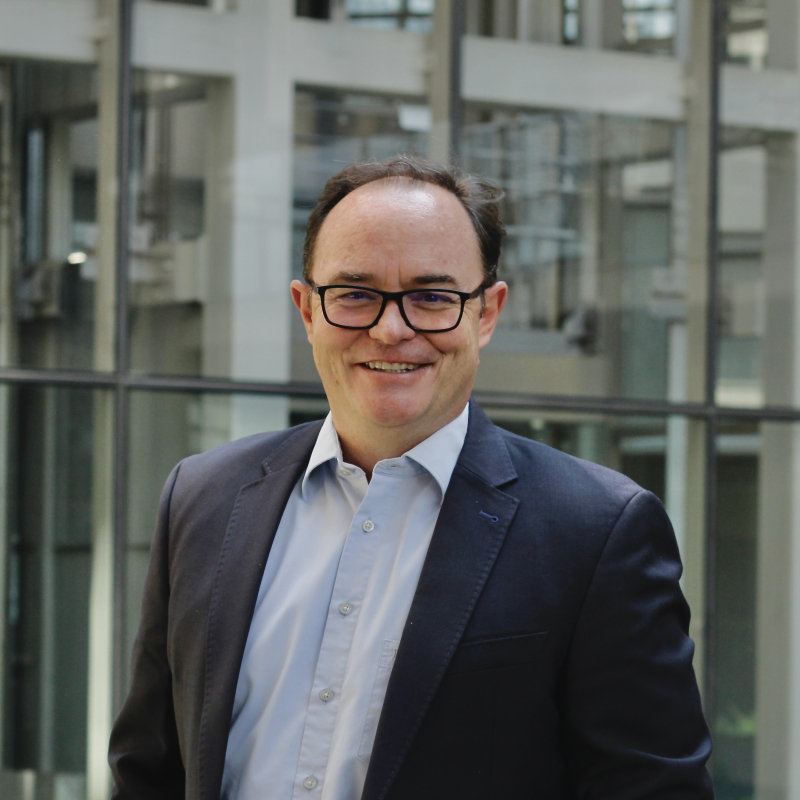
Mothibeli Pita
Europe-Africa data space cooperation for the SDGs
| 09:30 SAST - 11:00 SAST
Amber
The joint development of interoperable data spaces has immense potential to connect Africa and Europe, driving sustainable agricultural innovation. Building on ongoing developments in European data spaces, such as the Common European Agricultural Data Space (CEADS), direct opportunities include examining how established and operational European regional data spaces, such as DjustConnect, Tritom and AGRONOD, can inspire bottom-up development of data space in Africa.
An objective approach involves mapping relevant initiatives within the African digital and data ecosystem against the specific needs and objectives of key stakeholders such as farmers, agribusinesses, researchers, and public administrations. This process also identifies opportunities for aligning governance approaches to deliver tangible, actionable ideas for Europe–Africa data exchange, providing stakeholders with immediate benefits such as reduced administrative burdens. As trust grows, this cooperation could progress to improved decision-making, climate impact calculations and advanced AI applications, such as trusted, AI-driven advisory services.
The ultimate aim of this data space approach is not merely to bring data together, but to create well-governed, bottom-up frameworks for using and sharing data that will have a measurable impact in supporting the SDGs and will ultimately benefit the data owners, most notably the farmers.
Speakers & Presentations
Nthabiseng Motete
Jürgen Vangeyte

Siyamthanda Gxokwe

Green hydrogen common infrastructure: readiness across regions and supply chains
| 09:30 SAST - 11:00 SAST
Onyx / Garnet / Crystal
As the global scale-up of green hydrogen accelerates, the lack of infrastructure readiness has emerged as a critical bottleneck. The coordinated development of common-user infrastructure (CUI), including pipelines, electrolyzsr clusters, desalination facilities, port terminals, and storage facilities, is essential to enable both domestic consumption and international trade. The next phase of growth requires infrastructure that is scalable, interoperable, resilient, and environmentally sustainable.
This session will explore infrastructure readiness across regions and supply chains, focusing particularly on Africa–EU collaboration and the development of port-based hydrogen hubs. International speakers from Namibia and India will discuss the fundamental role of a CUI framework in establishing green hydrogen projects and enabling ports to serve both domestic industries and export markets. These hubs leverage their proximity to fertiliser producers, refineries, and shipping operations, as well as existing storage and distribution systems. However, they face challenges such as the high cost of green hydrogen and ammonia, limited investment models, uncertain demand and complexities surrounding land acquisition.
The panel will present real-world examples, including South Africa’s Saldanha Freeport, to highlight efforts to balance ecosystem sensitivities with spatial and regulatory planning. It will examine trade-offs in logistics (truck, rail and pipeline), integrated hub development, and the role of digital tracking and sustainability in circular infrastructure design. Finally, the discussion will address how investment platforms and policy coordination can mitigate supply chain vulnerabilities and support the development of scalable infrastructure systems that are aligned with regional needs.
Speakers & Presentations
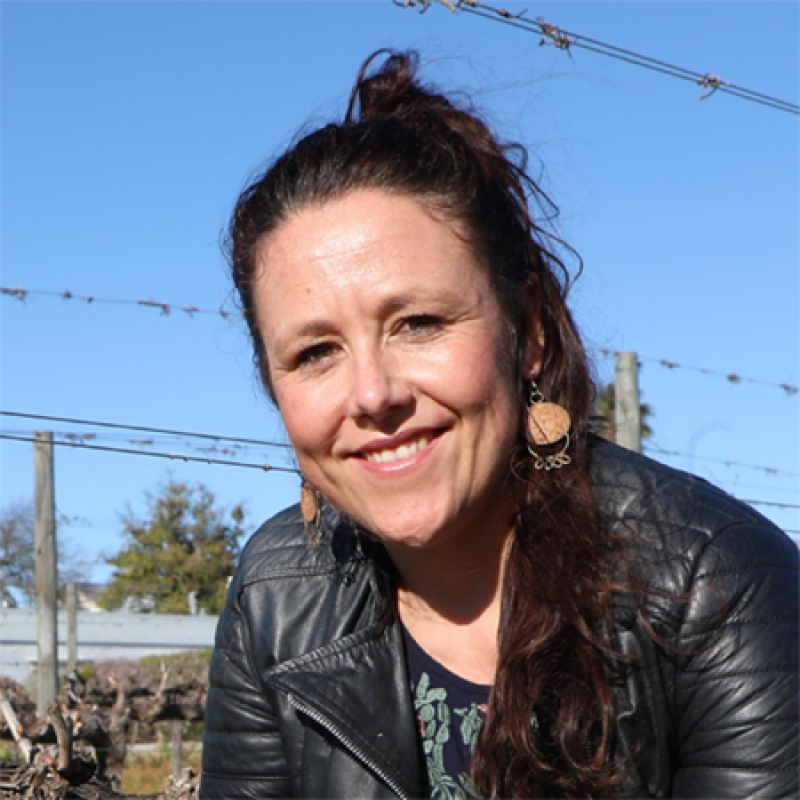
Rebecca Maserumule

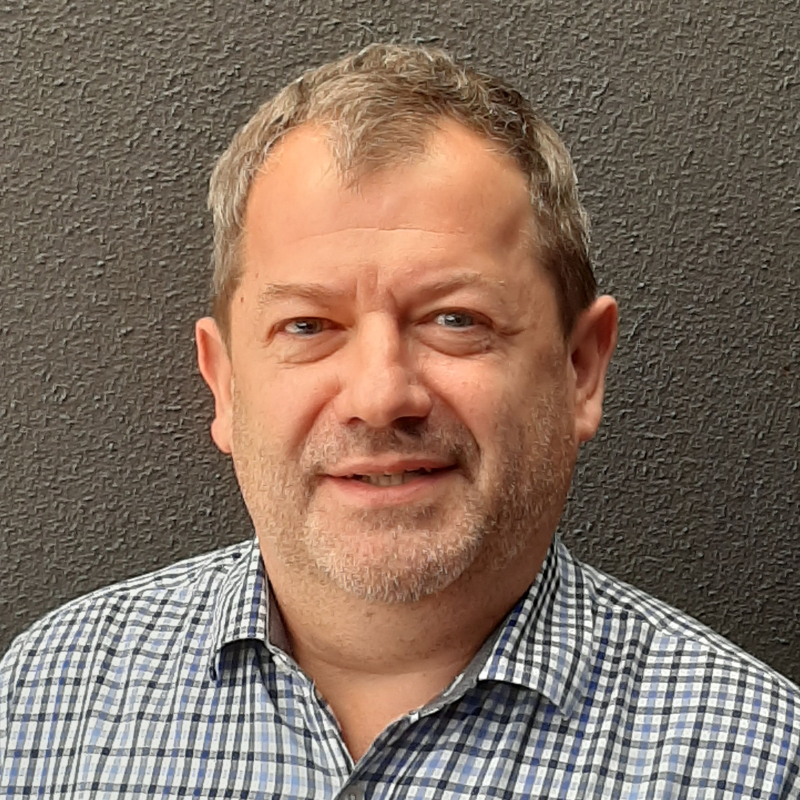
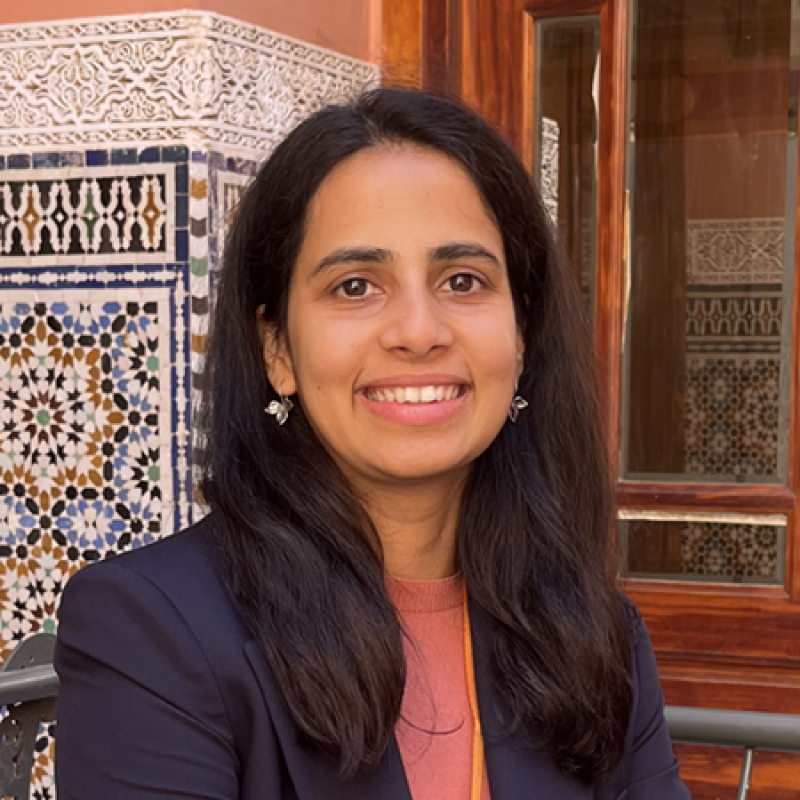
Shanon Neumann

Charles Dos Santos
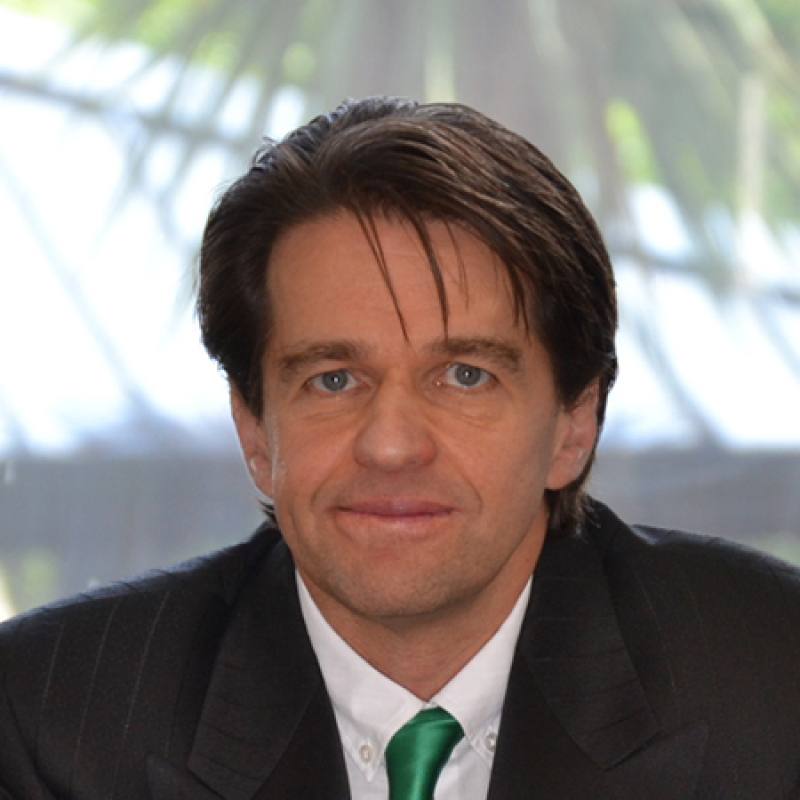
Theopolina Kapani

Ankur Malyan
Unlocking circularity in renewable energy solutions
| 09:30 SAST - 11:00 SAST
Most countries in the Global South are classified as “Build” or “Grow” nations under Circle Economy’s Circular Gap Report 2023 framework. These countries are in urgent need of infrastructure development to support an improved quality of life.
Renewable energy plays a crucial role in enhancing energy security in countries such as South Africa, which faces energy supply challenges and requires a transition from coal-based energy to more sustainable alternatives. Wind and solar energy are generally considered as more environmentally sustainable than fossil fuels. While solar and wind technologies initially increase the material intensity of energy production, their cumulative environmental impact is significantly lower over time. However, wind and solar photovoltaic systems do have an environmental impact.
During this session the speakers will explore ways to make renewable energy solutions more circular.
Speakers & Presentations

Karen Surridge

Suzan Oelofse


Advancing environmental health in Africa: the role of biological and air quality monitoring
| 09:30 SAST - 11:00 SAST
Amethyst
A quarter of the global disease burden is linked to an unhealthy environment. Sub-Saharan Africa (SSA) is experiencing a disproportionate impact due to rapid urbanisation, agricultural intensification, industrial pollution, and climate change. To achieve the Sustainable Development Goals (SDGs), urgent action is required to assess and mitigate environmental health risks. Recent progress in environmental health research is contributing to a more comprehensive exploration of the impact of the environment on health.
This session will explore one of the developments that has greatly strengthened environmental health research efforts: human biomonitoring (HBM). However, HBM is still underdeveloped in Africa. Its use is fragmented and limited, despite some existing initiatives. There is a need for comprehensive health biomonitoring initiatives to track pollutant exposure, assess health impacts, and guide targeted interventions.
We will also discuss air pollution, which is one of the most significant causes of environmental health issues worldwide. The session will focus on the growing importance of low-cost sensors (LCS), coupled with AI developments, and how these can accelerate the advancement of air quality assessment in Africa. Using LCS and AI together can generate more accurate, real-time data, enabling more targeted and effective interventions in the region.
Speakers & Presentations
Karen Van Campenhout
Nick Rahier

Caryn M. Upton

Kama Chetty
Decentralised Water-Energy solutions for local sustainability – experiences and best practices - Part I
| 09:30 SAST - 11:00 SAST
Jade
Access to clean water and reliable affordable energy remains a critical development challenge, particularly in rural areas and informal settlements around the world. Conventional centralised infrastructures often struggle to reach remote or poorly developed areas due to high costs, logistics and accessibility barriers. Against this backdrop, decentralised water-energy (WE) solutions, such as solar-powered water treatment and hybrid microgrids, are emerging as viable, scalable, and sustainable alternatives. These integrated systems allow to address water and energy scarcity and can offer broader socio-economic and environmental benefits, including improved public health, reduced greenhouse gas emissions, and increased resilience to climate change.
This session brings together practitioners, policymakers, and researchers to share knowledge, examine real-world experiences, and identify best practices for deploying decentralised WE solutions. We will focus on the outcomes and the best practices of decentralised, sustainable water and energy solutions funded by the Flemish International Climate Action Programme (FICAP), but we will also consider other initiatives. We will explore how technology providers can improve the sustainability of communities that are either off-grid or that face unreliable on-grid water and energy services. Participants will gain key insights into the effectiveness of decentralised WE systems, along with best practices to guide the development and scaling up of future projects.
Speakers & Presentations
Dores Cirne

Shukuru Tweve
Climate-resilient green infrastructure
| 09:30 SAST - 11:00 SAST
Ruby
To achieve the Sustainable Development Goals (SDGs), it is essential to address issues such as reducing the carbon footprint of the built environment (both embedded and operational), encouraging sustainable and resilient design and construction practices, and monitoring building performance.
The required changes include adopting renewable energy sources, implementing rigorous standards and regulations for measuring and reporting material embedded carbon, accelerating the uptake of sustainable and climate-resilient design practices at building and city levels, and standardising performance monitoring and reporting methods. These changes can significantly mitigate the impacts of climate change while providing resilience.
The SDG framework recognises the need for new technologies to address these challenges. These technologies include accessible renewable energy sources, tools and methods to support product life cycle assessments, technologies to support green buildings (such as decision support tools, water saving devices and waste management systems), and digital twin technologies to monitor building performance. These technologies contribute to the SDGs by reducing greenhouse gas emissions, conserving natural resources, and fostering resilient infrastructure. They specifically target goals such as SDG 11 (Sustainable Cities and Communities) and SDG 13 (Climate Action).
This session consists of several deep dive presentations about the challenges related to the built environment’s response to climate change.
Speakers & Presentations

Koen De Ridder
Ida Breed

Reimagining education: Empowering youth through education & innovation for climate action
| 09:30 SAST - 11:00 SAST
Emerald
What if education systems not only prepared young people for the future, but also helped them to shape it? Join this dynamic session on ‘Empowering youth through education & innovation for climate action.’
This panel explores how cutting-edge educational models, digital tools, and research-based strategies are empowering the next generation of climate leaders. Hear how Southern Africa is transforming climate education into a force for systemic change, from ministries shaping national agendas to funders and tech innovators supporting action on the ground. Draw inspiration from real-world projects, smart partnerships, and the voices of educators and young people who are driving the movement forward.
Speakers & Presentations
Ayanda Sithole

Sibusisiwe Hlela
Likho Bottoman
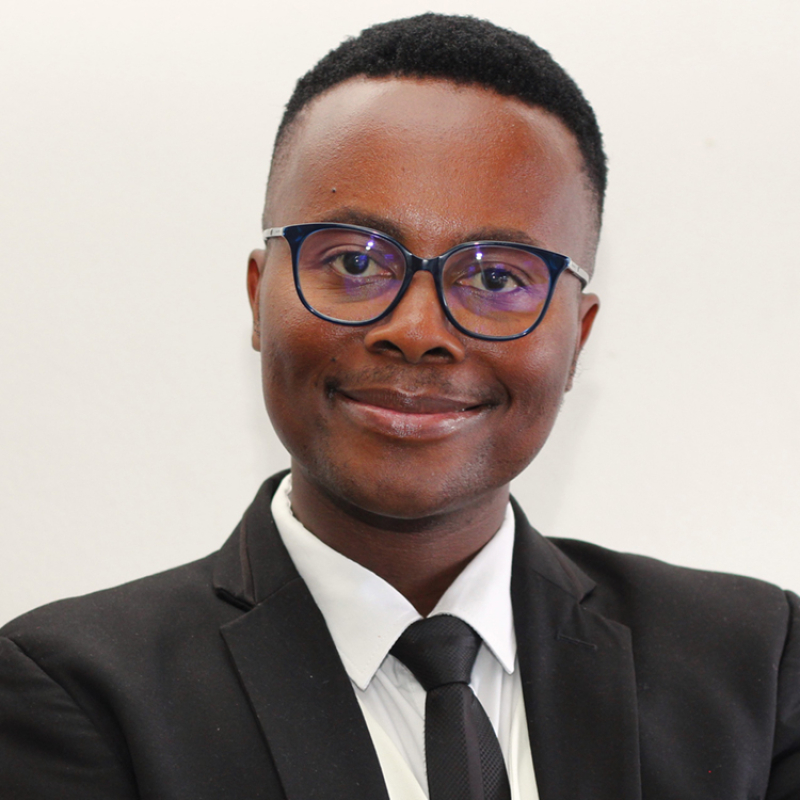

Heila Lotz-Sisitka
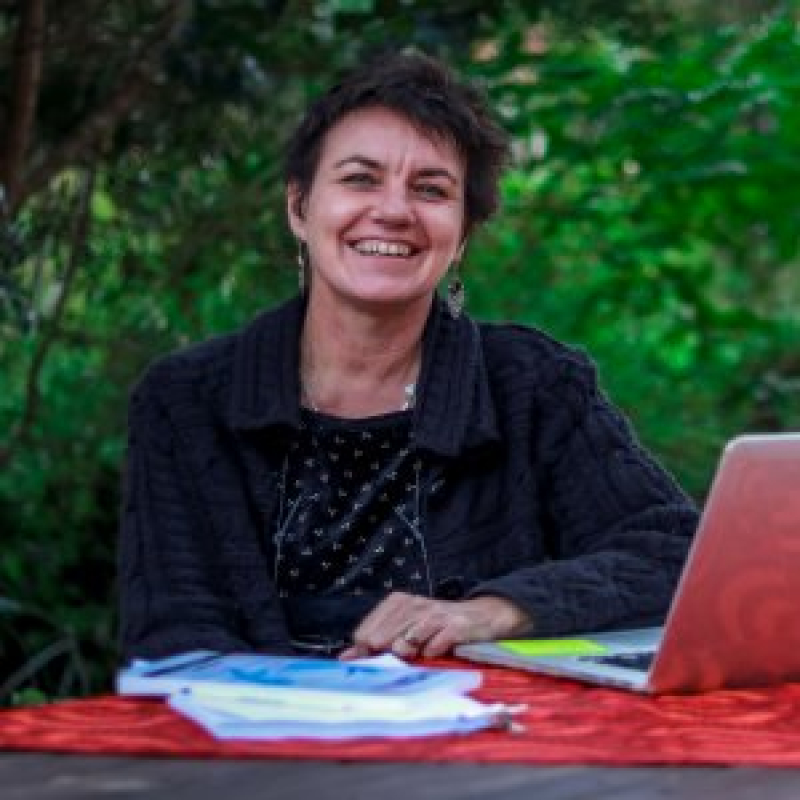


Lorren Haywood
Pitches on technological innovations contributing to the SDGs
| 09:30 SAST - 11:55 SAST
Blue Room, Exhibition Hall
Which chemotherapy combination will work for you?
How we are bringing personalised medicine to Africa
09:30 – 09:40 - Dr Mutsa Takundwa, CSIR Senior Researcher
For the first time in Africa, researchers are screening cancer tissue samples to find existing drugs that could be repurposed as effective chemotherapies for people of African descent. Dr Takwunda will explain how this research can help to ensure equal access to treatment options for African patients.
Read more in the #sustainability edition of the CSIR publication, ScienceScope: https://indd.adobe.com/view/331ae416-bb7a-4f6e-8df1-022b650ebb6d
Herbal remedies for HIV from Zimbabwe and Eswatini
Scientists and traditional healers join forces to improve care
09:55 – 10:05 - Prof Ereck Chakauya, Network Manager of the African Union Development Agency NEPAD Southern Africa Network for Biosciences (AUDA NEPAD SANBio)
Prof Chakauya will share a success story showing how Africa can develop and modernise its own medicines and healthcare solutions.
Read more in the #sustainability edition of the CSIR publication, ScienceScope: https://indd.adobe.com/view/331ae416-bb7a-4f6e-8df1-022b650ebb6d
A sliver of brown skin for a world of new medicines
Research-ready cell lines from Black African donors
10:20 – 10:30 - Dr Janine Scholefield, CSIR Research Group Leader in Bioengineering and Integrated Genomics
Dr Scholefield will explain how and why the CSIR is converting skin cells donated by people of African descent into stem cells, and then into other types of cells used in medical research.
Read more in the #sustainability edition of the CSIR publication, ScienceScope: https://indd.adobe.com/view/331ae416-bb7a-4f6e-8df1-022b650ebb6d
Speakers & Presentations
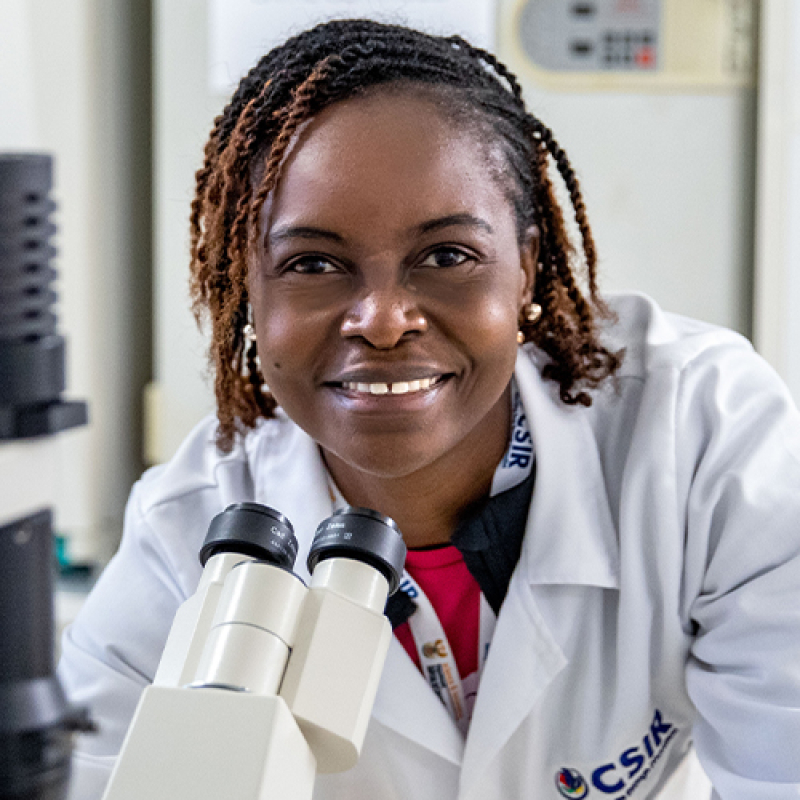
Ereck Chakauya
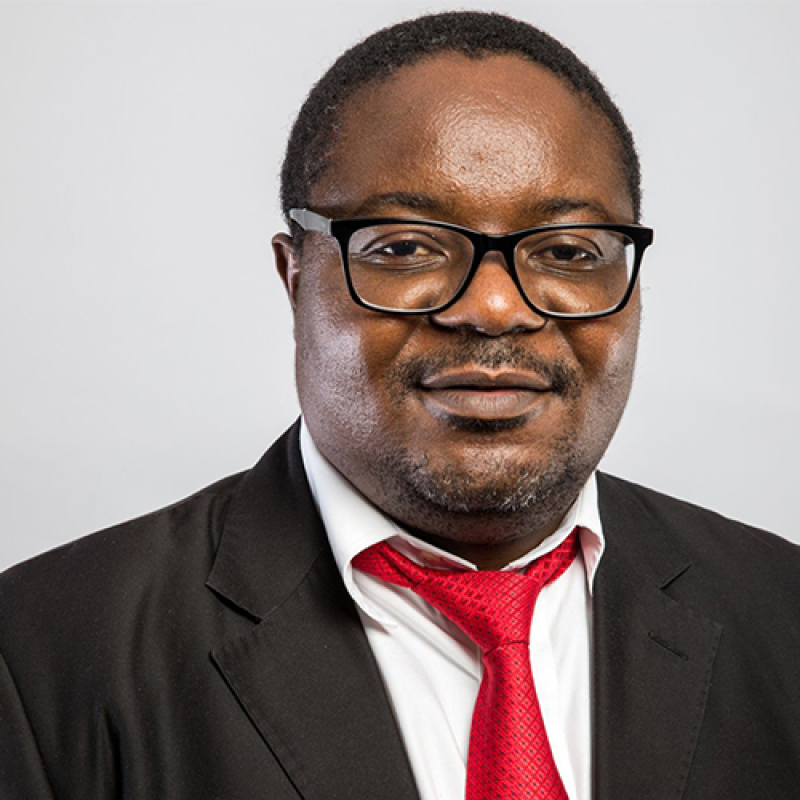
Janine Scholefield
Decentralised Water-Energy solutions for local sustainability – experiences and best practices – Part II
| 11:15 SAST - 12:45 SAST
Jade
Access to clean water and reliable affordable energy remains a critical development challenge, particularly in rural areas and informal settlements around the world. Conventional centralised infrastructures often struggle to reach remote or poorly developed areas due to high costs, logistics and accessibility barriers. Against this backdrop, decentralised water-energy (WE) solutions, such as solar-powered water treatment and hybrid microgrids, are emerging as viable, scalable, and sustainable alternatives. These integrated systems allow to address water and energy scarcity and can offer broader socio-economic and environmental benefits, including improved public health, reduced greenhouse gas emissions, and increased resilience to climate change.
This session brings together practitioners, policymakers, and researchers to share knowledge, examine real-world experiences, and identify best practices for deploying decentralised WE solutions. We will focus on the outcomes and the best practices of decentralised, sustainable water and energy solutions funded by the Flemish International Climate Action Programme (VIKAP), but we will also consider other initiatives. We will explore how technology providers can improve the sustainability of communities that are either off-grid or that face unreliable on-grid water and energy services. Participants will gain key insights into the effectiveness of decentralised WE systems, along with best practices to guide the development and scaling up of future projects.
Speakers & Presentations
Dores Cirne

Rouba Onaissi
Laurenz Devers

Data innovation in strengthening climate resilience: Empowering local communities to collect, create and analyse diverse data
| 11:15 SAST - 12:45 SAST
Amber
There is a growing recognition that empowering communities through data innovation is essential for developing long-term climate resilience. Data innovation involves novel methods of collecting, analysing, and applying environmental data with and by communities, blending new technologies with local knowledge. Equipping communities with the necessary tools, skills, and capacity to collect and utilise their own data enables them to transition from passive recipients of aid to active agents of change.
This workshop will explore these questions and themes through interactive discussions, case studies, and collaborative problem-solving activities. Participants will have the opportunity to share their experiences and explore innovative approaches to community-driven data collection, analysis, and application for climate resilience. the workshop will focus on participation from social enterprises and environmental organisations, together with community leaders, data scientists and technologists focused on community-based solutions, researchers and academics specialising in climate adaptation. Other participants may include local government representatives, policymakers, and other relevant organisations.
Speakers & Presentations
Evelien Storme
Angela Heyburgh

Evelien Storme
Taitum Lee

Jayson Fortuin

Blue One Health, Climate, Health and Sustainability: integrating ocean and coastal systems into the 2030 Agenda
| 11:15 SAST - 12:45 SAST
Amethyst
The ocean covers over 70% of the Earth’s surface and contains 95% of its biosphere. It plays a vital role in regulating the climate by absorbing 25% of anthropogenic CO₂ and 90% of excess heat. It also produces over half of the planet’s oxygen, and supports billions of people through providing food, livelihoods, and cultural resources. However, climate change, pollution, and overexploitation are degrading marine ecosystems, threatening biodiversity, food security, and climate resilience.
The ‘Blue One Health approach’ builds on the ‘One Health concept’ by incorporating marine and coastal ecosystems, and promotes integrated solutions for human, animal, and environmental health.
This session will bring together experts and policymakers to explore how Blue One Health can help to achieve the SDGs, especially SDGs 3 (Health), 13 (Climate), and 14 (Life Below Water), and inform strategies for achieving the 2030 Agenda.
Speakers & Presentations
Paulo Gadelha
Alexander Turra
Wim Degrave
Luiz Paulo Assad
José Luíz Moutinho
Sandy Thomalla
Circular economy: creating liveable, resilient, circular cities
| 11:15 SAST - 12:45 SAST
Diamond
Most countries in the global south are considered “Build” or “Grow” countries under Circle Economy’s Circular Gap Report 2023 Framework. These countries are in desperate need of infrastructure development to improve their quality of life. However, under current development models, this would require significant resource use, which is constrained by growing scarcity of resources, exceeding planetary boundaries, and increasing climate uncertainty. The circular economy offers a different development trajectory for the Global South: a more resource efficient, low carbon, just and climate-resilient growth path.
During this session, the speakers will explore how we can rethink the use of resources within urban environments to create cities that are more liveable, resilient and circular.
Speakers & Presentations
Suzan Oelofse
Usha Iyer-Raniga
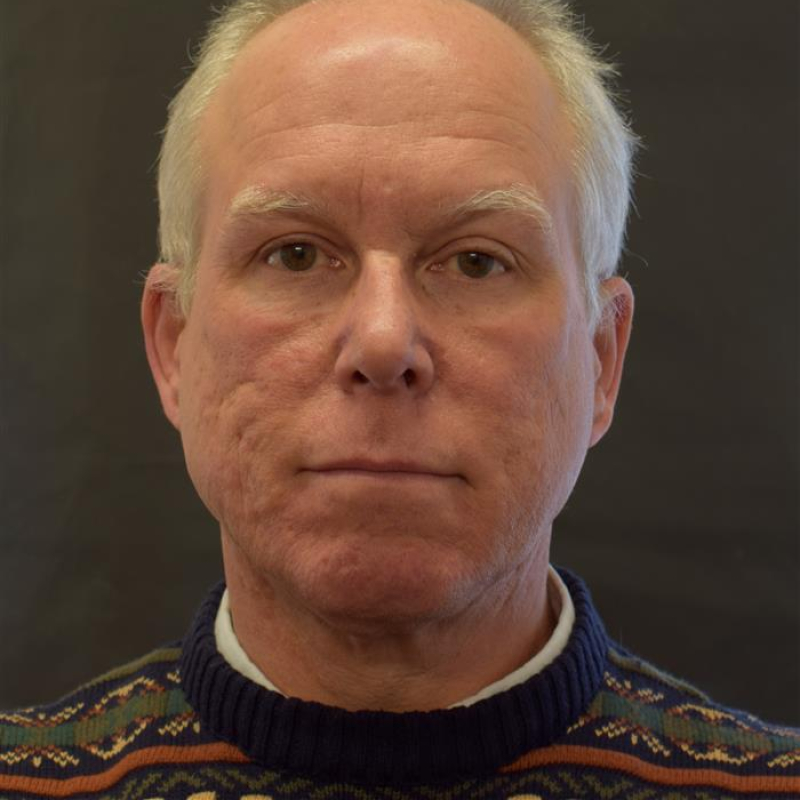
Mark Napier

Building the climate innovation pipeline: unlocking small funds to accelerate and de-risk local solutions
| 11:15 SAST - 12:45 SAST
Emerald
In Africa and many other climate-vulnerable regions, innovative solutions to adaptation often stall before they can be implemented on a large scale — not because they are irrelevant or lacking in ambition, but because early-stage support is fragmented, underfunded, and high-risk. Community-based early warning systems, nature-based infrastructure, water-saving technologies, and climate-smart agricultural tools all face the same hurdle: they must prove their viability at a local level before they can attract significant support from larger funders.
This session focuses on the crucial yet frequently overlooked early stages of the climate innovation pipeline, including technical assessments, feasibility studies, RD&I, and demonstration projects. These are the essential steps where public and philanthropic capital can reduce the risk of innovation, demonstrate its impact, and build investor confidence.
We will explore how smaller government, bilateral, and foundation programmes can play a significant role in accelerating the local deployment of technologies and approaches, creating a solid proof of concept that can unlock larger follow-on funding from development banks, DFIs, and multilateral climate funds.
Speakers & Presentations
Maarten Pelgrims
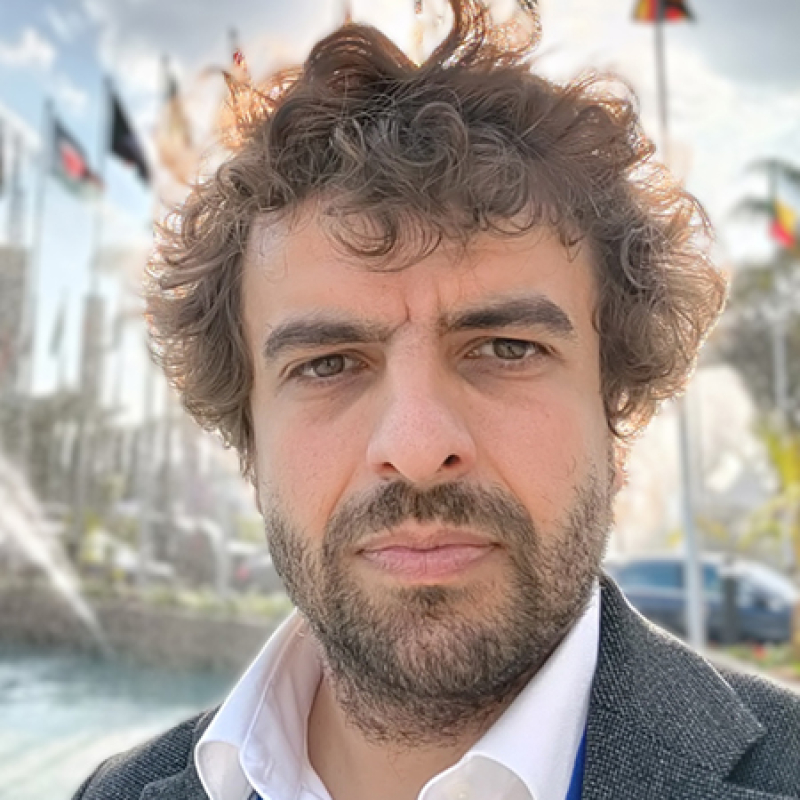
Doris Wangari
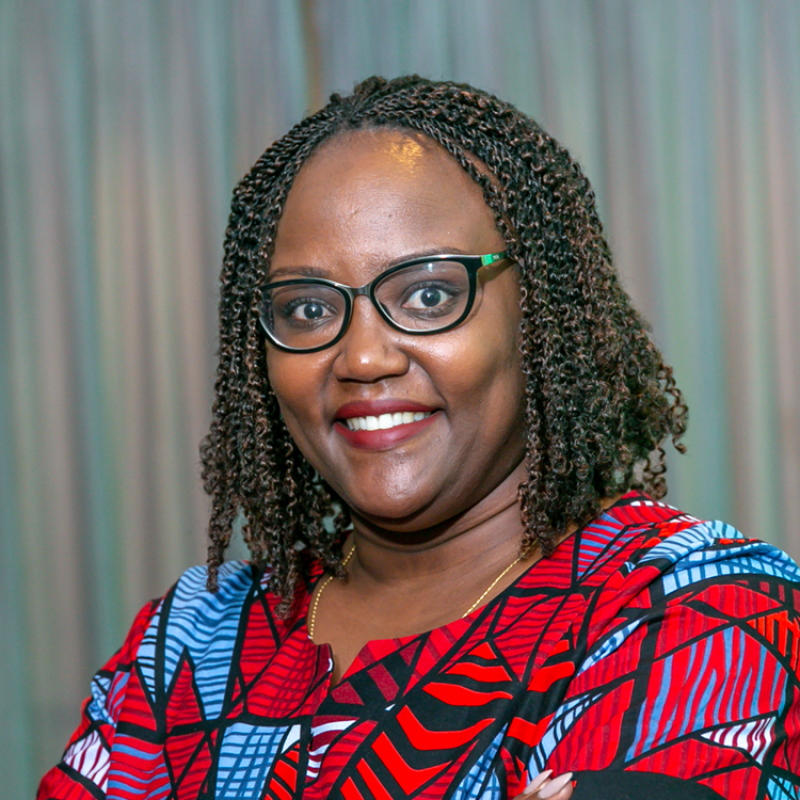
Thandi Mgwebi
Connie Bolte

Eliane Segati Rios
Early warning systems and extreme climate impacts
| 11:15 SAST - 12:45 SAST
Ruby
As climate-related disasters become more frequent and intense, there is a critical need for actionable, and high-resolution early warning systems (EWS), whether to protect citizens from heatwaves and floods or to safeguard the agricultural sector against droughts and storms. However, many parts of the world still lack reliable climate information, predictive models, and integrated warning infrastructure.
This session will explore existing challenges and needs in dealing with extreme climate events in Africa and how science, technology, and innovation can help to address these issues. We will highlight the role of space-based observation, climate modelling and EWS through recently launched initiatives, and demonstrate the impact of climate extremes and the integration of climate and health data into preparedness strategies using national case studies and action plans. By connecting diverse insights across sectors and geographies, the session will highlight opportunities to enhance resilience through addressing the impact of extreme climates, which could pave the way for data-driven and science-based early warning systems.
Speakers & Presentations
Jente Broeckx
Ousmane Ndiaye
Stijn Vermoote

Tatiana Marrufo

Nico Kroese
Effective and selective conversion of biomass
| 11:15 SAST - 12:45 SAST
Onyx / Garnet / Crystal
In the current context, where the global situation regarding resources and the environment is becoming increasingly severe, exploring the path of sustainable development has become a common mission for all of humanity. Biomass resources are abundant and valuable renewable resources on Earth. Their efficient, green, and highly selective conversion and utilisation offer new hope in solving energy and environmental problems.
The conversion and utilisation of biomass resources have broad prospects and application potential in many fields, including energy, materials, and chemical engineering. Biofuels can partially replace fossil fuels, and biomass-based materials can be used in the packaging and construction industries. However, the current development also faces many challenges. High costs, immature technologies, and unstable raw material supplies are issues that need to be urgently addressed.
Therefore, the focus of our discussion will be on how to replace fossil resources with biomass resources in a green, efficient, and sustainable way.
Speakers & Presentations
Yan Lin
Zhengxiao Guo
Lucia Steenkamp
Aloys Mosima Osano
Robin J. White
Guicai Liu
Pitches on technological innovations contributing to the SDGs
| 11:15 SAST - 12:55 SAST
Blue Room, Exhibition Hall
On-the-go ultrasound reduces rural stillbirths
Umbiflow point-of-care device now in clinical trials
11:15 – 11:25
Dr Kahesh Dhuness, CSIR Research Group Leader: Industrial Sensors
Dr Tsakane Hlongwane, University of Pretoria (Medical Doctor)
Although Doppler ultrasound and sonar are not new technologies, integrating them into a low-cost, easy-to-use device is innovative. Dr Kahesh Dhuness and Dr Tsakane Hlongwane will explain how the Umbiflow device can improve maternal health in areas with limited resources.
Read more in the #sustainability edition of the CSIR publication, ScienceScope: https://indd.adobe.com/view/331ae416-bb7a-4f6e-8df1-022b650ebb6d
Scaling First Aid through smartphones
Blended learning app saving lives across Sub-Saharan Africa
11:40 – 11:55 - Olivier Rogier, Technical Project Manager at the Belgian Red Cross-Flanders
Olivier Rogier will show how a smartphone app makes first-aid training accessible in regions with limited connectivity, diverse devices and multiple languages — offering offline access, local context and measurable impact. Read more in this Red Cross publication: https://redcross.eu/projects/first-aid-blended-learning-with-a-first-aid-application
First Aid in Africa - Apps op Google Play
First Aid in Africa on the App Store
Reimagining mining with critical minerals and digital tools
Data, AI and automation driving efficiency and sustainability in Africa
12:10 – 12:25 - Bongi Ntsoelengoe, CSIR Executive Manager for Future Production: Mining
Bongi Ntsoelengoe will show how data-driven decision-making, AI and automation, together with regional partnerships and specialised expertise, can make mining more responsible, efficient and sustainable.
Building with nature at Jan De Nul Group
From reefs to mangroves: designing climate-resilient shorelines
12:40 - 12:55 - Jelle Evenepoel, Manager Marine Environmental Department, Jan De Nul
Jan De Nul Group is a multinational, family-owned Belgian company that serves as a "World Builder" by shaping water, land, and energy through its expertise in dredging, offshore energy and construction. Jelle Evenepoel will show how the company integrates nature-based solutions into coastal infrastructure to tackle global challenges like rising sealevels, stronger storms and eroding shorelines. This approach merges engineering with natural assets to deliver a future where people and nature thrive together.
Read more on Jan De Nul’s website:
Speakers & Presentations
Kahesh Dhuness

Tsakane Hlongwane
Olivier Rogier

Bongi Ntsoelengoe

Jelle Evenepoel

Pitches on technological innovations contributing to the SDGs
| 14:00 SAST - 15:25 SAST
Blue Room, Exhibition Hall
Risks to fisheries and climate misjudged
What we now know from satellites and underwater robotics
14:00 – 14:10 - Dr Sandy Thomalla, CSIR Research Group Leader in Southern Ocean Carbon-Climate Observatory
Dr Thomalla will present her latest research, which shows that even the most accurate predictions currently available underestimate the rate at which a critical oceanic process (known as primary production) could weaken by the end of the century due to carbon emissions.
Read more in the #sustainability edition of the CSIR publication, ScienceScope: https://indd.adobe.com/view/331ae416-bb7a-4f6e-8df1-022b650ebb6d
Coastal aquaculture safe from deadly red tides
New satellite tracking tool provides early warnings
14:25 – 14:35 - Dr Marie Smith, CSIR Senior Researcher
Dr Smith will demonstrate an online tool that makes ocean colour and temperature data from satellites easy to access, helping abalone farmers track harmful algal blooms and supporting the South African government’s plan to boost aquaculture jobs.
Read more in the #sustainability edition of the CSIR publication, ScienceScope: https://indd.adobe.com/view/331ae416-bb7a-4f6e-8df1-022b650ebb6d
Your city's climate risk zones in high-resolution
Use the GreenBook to protect people and places from extreme weather
14:50 – 15:00 - Amy Pieterse, CSIR Senior Researcher
Amy Pieterse will discuss the GreenBook, a CSIR-developed web-based tool, which provides a scientific view of the likely impacts that climate change and urbanisation will have on South Africa’s cities and towns. The tool also suggests actions to build climate resilience.
Read more on the Greenbook website: https://greenbook.co.za/
Put plastic waste in paving, not landfills
How to choose road materials for climate resilience
15:15 – 15:25 - Refiloe Mokoena, CSIR Senior Researcher
Plastics that are not being recycled can be used in road surfaces, which must be engineered to withstand extreme heat and heavy rainfall. Refiloe Mokoena will discuss road sustainability and road materials for climate resilience.
Speakers & Presentations
Sandy Thomalla



From lab to market: how to accelerate the sustainable transition & transformative impact through push-pull strategies and smarter climate finance
| 14:00 SAST - 15:30 SAST
Emerald
In the race against climate change, innovation is paramount. Emerging economies are brimming with innovative solutions to climate and development challenges, ranging from community-based resilience tools to locally produced clean technology. However, even the best solutions can stall and struggle to progress beyond the pilot phase without the right financial and policy environment, as well as a national innovation ecosystem to support them.
Both technology push mechanisms, which support RD&I to identify breakthrough technologies and long-term gains, and demand pull facilitators, which create a market demand that can de-risk green tech investments and encourage private sector scaling, are needed. But how do you align both? What policies are needed to enable a complete pathway that has both elements aligned in such a way that public finance can fund scaling up and unlock private investments to their fullest potential?
This session will examine the situation in South Africa. The speakers will focus on how to build an effective innovation pipeline with clear implementation opportunities, how to de-risk finance across the full innovation cycle and connect the public R&D agendas with private market signals.
Speakers & Presentations
Yashna Maharajh

Ereck Chakauya
Pierre Rialland

Technology applications in agricultural insurance and disaster risk management for climate risks and natural catastrophes
| 14:00 SAST - 15:30 SAST
Amber
The agricultural sector in Africa faces increasing productivity challenges due to localised climate risks and frequent natural disasters, which are intensified by climate change and irregular weather patterns.
This session will explore the innovative risk management technologies used across Africa to bolster agricultural resilience. The panel discussion will cover the use of Earth observation tools for crop monitoring, risk identification, damage assessment, early warning systems, and new approaches to risk transfer and mitigation of climate change effects.
A key focus will be on practical implementation of innovative technology solutions and facilitating appropriate regulatory framework that supports the effective use of such technologies in insurance and disaster risk financing. The session will also highlight how these innovations can contribute to achieving the Sustainable Development Goals (SDGs), particularly SDG 2 (Zero Hunger), SDG 13 (Climate Action), and SDG 9 (Industry, Innovation, and Infrastructure).
Speakers & Presentations
Lydia Bosoga
Roman Shynkarenko

Ian Shynkarenko
Shannon Bernhardt

Caroline Cerruti
Lefa Ndlovu

Ian Shynkarenko
Energy storage as an enabler to the South African energy transition
| 14:00 SAST - 15:30 SAST
Onyx / Garnet / Crystal
Energy storage plays a crucial role in the energy transition by enabling the efficient use of renewable energy and balancing supply and demand to ensure a stable power grid, even with intermittent sources such as solar and wind power. In South Africa, where coal dependency and power outages are major concerns, large-scale battery storage systems are essential for integrating additional renewable energy into the grid and improving energy security.
This session will explore how energy storage can contribute to a fair and sustainable energy transition. Key challenges for energy storage in South Africa include ensuring equitable access to clean energy, reducing costs, improving scalability, and minimising the environmental impact of battery production and disposal. Overcoming these challenges requires supportive policies, enhanced research and development, and the development of infrastructure for microgrids and energy storage systems.
Invited speakers will address the South African energy storage landscape from research and industry perspectives. VITO will discuss battery technology in terms of safety, performance testing, battery management, monitoring, and microgrids.
Speakers & Presentations
Jo Dean

Ben Bladergroen
Jeroen Büscher
Jeroen Büscher
Invisible threats, intelligent responses: monitoring water for a resilient future
| 14:00 SAST - 15:30 SAST
Jade
As climate change intensifies and pressures on water systems increase, good water quality is crucial for climate adaptation and sustainable water management. This deep dive explores the next generation of water monitoring, from contaminants of emerging concerns (CECs) and microbial pollution to non-revenue water (NRW) and wastewater treatment. It features innovative tools—remote sensing, drones, AI-based analytics, and advanced lab diagnostics—transforming water quality monitoring across environments. With practical case studies and scientific insights, including contributions from the Water4All Partnership, this session fosters collaboration toward safe, resilient, and high-quality water systems in a changing climate.
Ensuring water quality is not just a technical challenge; it is a shared responsibility that has direct impact on the achievement of the SDGs, particularly those relating to health, water access, and climate resilience. The closing panel discussion will highlight how Africa and Europe can mutually benefit from each other’s innovations and lessons learned. By combining cutting-edge technologies with local knowledge and needs, we can co-develop intelligent monitoring systems that will safeguard communities, ecosystems, and water security for future generations.
Speakers & Presentations
Paul Campling
Alinah Mthembu
Dores Cirne
Anshuman
Katrien Van Hooydonk
Paul Campling
Community-based epidemic and disaster preparedness
| 14:00 SAST - 15:30 SAST
Amethyst
With health emergencies, climate impacts, and social inequities on the rise, locally driven epidemic and disaster preparedness is crucial. Although national systems are important, it is communities that lead frontline responses. This session will explore how community-based strategies, which are rooted in trust, local knowledge and science, technology and innovation (STI), can strengthen health systems and reduce vulnerabilities. It will examine how STI can bridge gaps in early warning systems, surveillance, diagnosis, and response, particularly in the context of climate crises and emerging diseases.
Using examples from Brazil, Africa, and Europe, the session will highlight the integration of STI into community health systems to boost resilience, equity, and rapid response. The session aims to showcase the role of STI in community preparedness, highlight success stories, and discuss ways to ensure that health systems remain resilient and equitable during crises.
Speakers & Presentations
Fernando Ferreira Carneiro
Olivier Rogier
Ernesto Massigue
Nuno Ibra Remane
Extreme Heat, Smart Responses: Applying cutting-edge science and analytics to address survivability in a warming world
| 14:00 SAST - 15:30 SAST
Ruby
Every year, over 70% of the global workforce is exposed to extreme heat, resulting in more than 500,000 premature deaths. Without stronger mitigation and adaptation measures, heat-related mortality among vulnerable populations could increase by over 1,500% by the end of the century.
Building on the UN Secretary-General’s Call to Action, which recognised extreme heat as a major barrier to achieving the Sustainable Development Goals (SDGs), this session aims to raise awareness of the urgency of the impact of heat, identify scalable and high-impact technical solutions, and provide participants with practical insights to drive advocacy and responses in their own sectors and regions. While the science and tools to reduce harm are advancing rapidly, implementation gaps remain, particularly with regard to ensuring that innovations reach and serve the communities most impacted by climate change. Participants will examine prototypes and partnerships that can help to scale up technical solutions and ensure that the benefits reach at-risk communities, thereby bridging the gap between science, technology, and policy to enable a more effective response to extreme heat.
This session is co-organised by the Rockefeller Foundation. The panel will bring together scientists, technologists, and climate-informed policymakers to explore innovations in predicting, monitoring, and communicating extreme heat, which is one of today’s most urgent and inequitable climate threats.
Speakers & Presentations

Caradee Wright
Alejandro Saez Reale
Anban Pillay
Ousmane Ndiaye
James Smallcombe

Coleen Vogel
High level plenary closing session
| 15:45 SAST - 17:00 SAST
Diamond
The high-level plenary closing session, themed The impact of AI on sustainability, will examine the transformative potential of Artificial Intelligence (AI) in advancing sustainable development across South Africa and the African continent. Mauritius, South Africa and Rwanda lead the continent on the 2024 Government AI Readiness Index (Oxford Insights, 2024), and the 2025 launch of the AI Maturity Assessment Framework (FAIR Forward, 2025) highlights growing national capacity to integrate AI across key sectors.
The session will provide a strategic overview of the country’s AI readiness and maturity, explore opportunities for environmental, social and economic impact, and highlight frameworks to enable responsible, ethical and practical implementation. Ethical considerations, including insights from the African Union’s 2024 Continental AI Strategy (AU, 2024), as well as operational challenges such as data privacy, bias and infrastructure, will also be addressed.
Speakers & Presentations
Lulama Wakaba
Deshni Govender

Reevana Balmahoon

Bienvenu Comlan Soglo
Paulo Gadelha
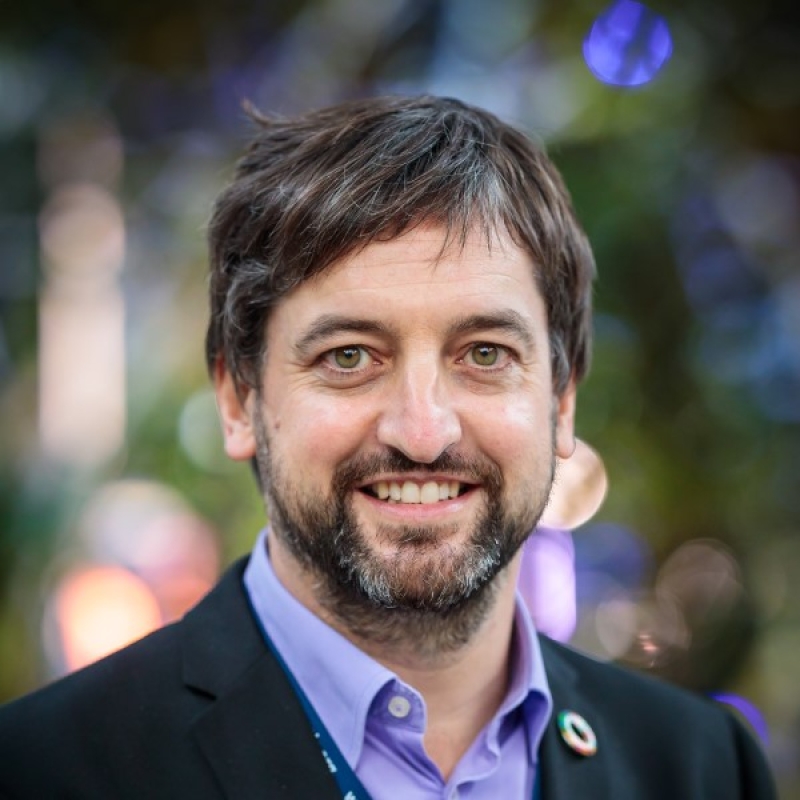
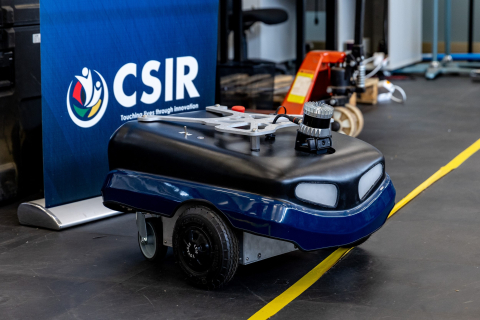
Facility Tour option 5: The CSIR Learning Factory and the CSIR Mobile Robotics Laboratory
Facility Tour option 5: The CSIR Learning Factory and the CSIR Mobile Robotics Laboratory
| 09:00 SAST - 11:00 SAST
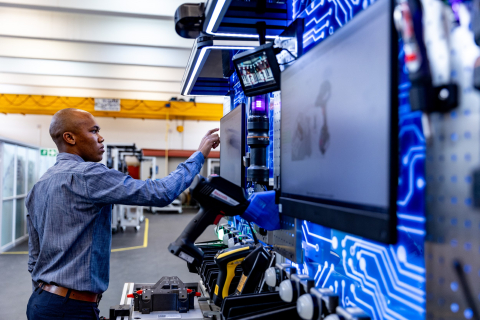
THE CSIR LEARNING FACTORY
Building 4IR skills for a digitally transformed manufacturing sector
The CSIR Learning Factory demonstrates the role of building skills in Fourth Industrial Revolution (4IR) technologies in driving digital transformation in South African manufacturing and contributing to a sustainable future.
The technologies forming part of the facility on display include:
- Collaborative robots demonstrating the integration of machine and human interaction using 4IR technologies
- 4IR production and assembly cells, highlighting human-centred automation
- Virtual reality enabling users to virtually operate industry-standard equipment
- Augmented reality highlighting the technology’s ability to accelerate learning by providing hands-on experience with interactive overlays, as well as enabling rapid prototyping and design validation
- A demonstration of the application of 4IR technologies in a home environment illustrating how these advancements enhance everyday living by enabling real-time monitoring of electricity usage and providing insights into energy consumption patterns to promote energy efficiency
THE CSIR MOBILE ROBOTICS LABORATORY
Autonomous robotics for safer, smarter environments
In the robotics laboratory, we will showcase state-of-the-art robotic solutions that enhance safety, security and automation. These solutions contribute to a sustainable and technologically advanced future.
Our researchers will present an autonomous security and surveillance robot designed for perimeter monitoring and security patrols. This demonstration highlights the role of advanced robotics in enhancing safety and security, a key factor in building resilient communities. They will also demonstrate the added value of different capabilities, such as three-dimensional mapping, localisation, camera-based navigation and gesture control.
All tours are fully booked, registration is no longer possible.
Facility Tour option 4: The CSIR Centre for Nanostructures and Advanced Materials and the CSIR Biodegradability Testing Facility
| 09:00 SAST - 11:00 SAST
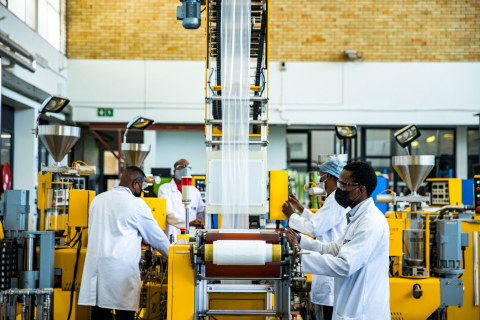
THE CSIR CENTRE FOR NANOSTRUCTURES AND ADVANCED MATERIALS
Reducing the environmental impact of waste in packaging, agriculture and other industries
CSIR materials experts use nanotechnology to manufacture and manipulate materials, improving theirperformance and sustainability. They create materials with improved stiffness, strength, heat resistance, reduced moisture absorption, flammability and permeability using nanocomposites. Examples of the novel materials produced include compostable food packaging, single-use biomedical kits, compostable hospital aprons and biodegradable agricultural mulches.
The process begins with the characterisation of material structures at atomic and molecular levels using advanced equipment such as microscopes. Scientists then study how changes in structure can lead to improved material properties. The CSIR researchers then assist small and established businesses in scaling nano-based innovations to industrial and commercial levels through its industrial development facility, which includes a chemical processing plant and an advanced plastic formulation and processing facility.
Join the tour to find out how advances in composite materials are reducing the environmental impact of waste in packaging, agriculture and other industries.
THE CSIR BIODEGRADABILITY TESTING FACILITY
Towards environmentally sustainable, alternative plastics
The use of biobased, compostable bioplastics presents a significant opportunity to foster a more circular economy. Manufacturers are increasingly recognising the importance of sustainable end-of-life solutions for plastic and bioplastic products made rom renewable resources that incorporate biobased, compostable polymers.
The CSIR Biodegradability Testing Facility tests and verifies the biodegradability of materials, including imported and locally produced products that are marketed as biodegradable and compostable.
The facility can determine the specific conditions and timeframes required for materials to biodegrade. Testing is conducted under various conditions, including aerobic (compost, soil, freshwater and marine) and anaerobic environments, according to a range of international standards.
All tours are fully booked, registration is no longer possible.
Facility Tour option 3: CSIR Agroprocessing facility, including the Cannabis Research Facility
| 09:00 SAST - 11:00 SAST
Research adds value to agricultural products
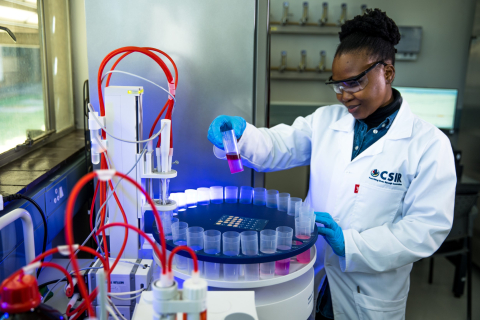
The CSIR agroprocessing facility enhances the value of South Africa’s biodiversity by formulating high-value products such as food, cosmetics, nutraceuticals and traditional African medicines, using both indigenous and non-indigenous plants. The facility’s researchers focus on developing nutrient-rich, ready-to-eat foods, reducing post-harvest losses through processing, and creating environmentally friendly solutions for post-harvest management.
In partnership with the Tshwane University of Technology, the CSIR has also set up a cannabis research hub to support the cannabis and hemp processing industry. The hub aims to reduce the risks associated with early-stage research, development and commercialisation. Specialised services include cannabis extraction using supercritical carbon dioxide extraction, process and method development for various strains of cannabis, purification services, and training for small businesses in the cannabis and natural products industries.
Join us to learn how the CSIR's agroprocessing capabilities empower small businesses to develop high-quality,safe, efficacious, affordable and regulatory-compliant products.
All tours are fully booked, registration is no longer possible.
Facility Tour option 2: The CSIR Biomanufacturing Industrial Development Centre
| 09:00 SAST - 11:00 SAST
Biotechnology-based research and development translated into environmentally friendly, market-ready products and services
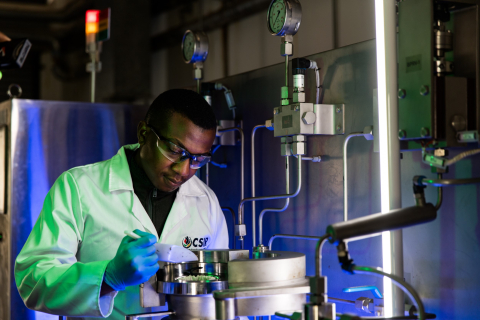
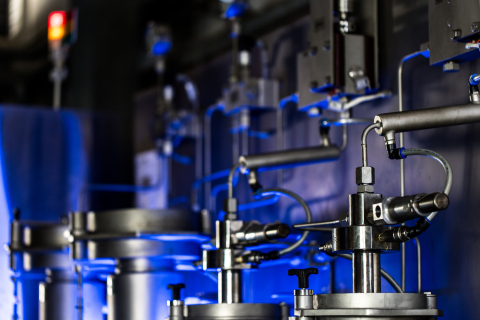
In the field of biomanufacturing, researchers use microbes to produce environmentally friendly and safe products, such as plastics made from sugarcane molasses instead of petroleum-based chemicals, and pesticides and fertiliser made from insects instead of harsh chemicals. Biomanufacturing also enables the creation of bio-based products from waste streams that would otherwise pollute our air, water, and soil.
The CSIR Biomanufacturing Industry Development Centre is a hub for open innovation in biomanufacturing. It supports start-ups and small, medium and micro enterprises in developing novel biological products, specialty chemicals and related technologies. Researchers have access to laboratories specialising in molecular biology, microbiology and applied and process chemistry, as well as facilities for laboratory- and pilot-scale process development.
Join us to learn how CSIR researchers are replacing commonly used industrial biologics, nutraceutical, agricultural and diagnostic products in South Africa with sustainable alternatives produced by microorganisms.
All tours are fully booked, registration is no longer possible.
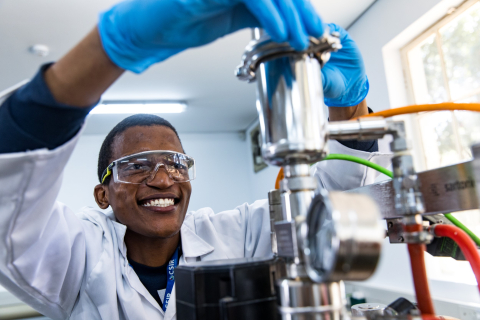
Facility Tour option 1: CSIR Indoor Energy Storage Testbed and CSIR Solar Photovoltaic Quality and Reliability Laboratory
| 09:00 SAST - 11:00 SAST
CSIR INDOOR ENERGY STORAGE TESTBED
Better batteries key to the transition to renewable energy
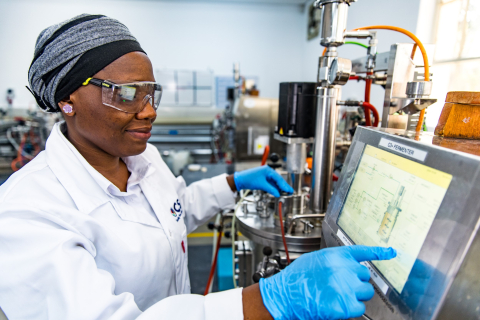
At the CSIR Indoor Energy Storage Testbed, researchers assess the performance and reliability of batteries by measuring their storage capacity, lifecycle and depth of discharge. The facility is helping to build capacity within the South African battery industry and helps improve overall market knowledge.
The testbed was established under the World Bank’s Energy Storage Partnership, recognising that many countries are undergoing energy transitions driven by the increased use of wind and solar power. Energy storage is essential for integrating these renewable resources into national grids. The laboratory was set up in partnership with VITO (Vlaamse Instelling voor Technologisch Onderzoek), a research institute based in Flanders, Belgium, with support from the South African and Flemish governments.
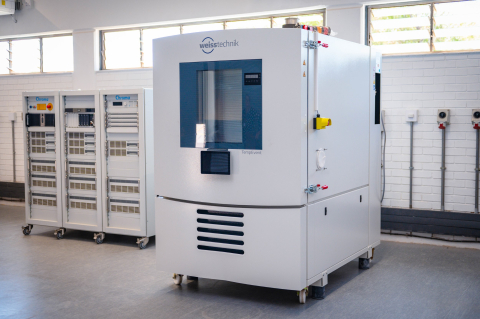
The testbed primarily focuses on the performance testing of lithium-ion batteries and emerging energy storage technologies for the South African and sub-Saharan African markets. It is equipped with a high-precision system for testing battery modules and packs featuring multiple channels that allow numerous batteries to be tested simultaneously under varied test cycles. The facility also includes a next-generation temperature chamber which provides data on battery performance in harsh climates — crucial for ensuring optimal performance.
CSIR SOLAR PHOTOVOLTAIC QUALITY AND RELIABILITY LABORATORY
Accelerated reliability stress testing of photovoltaic modules
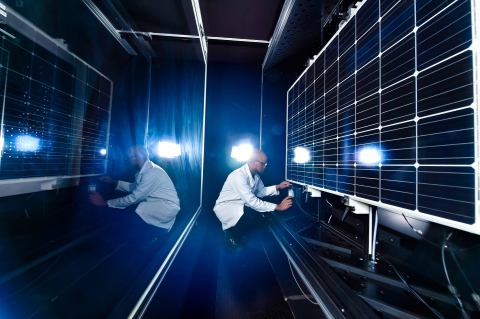
Solar photovoltaic (PV) technology is essential for reducing reliance on unsustainable energy sources and decreasing pollution. The CSIR Solar Photovoltaic Module Quality and Reliability Laboratory ensures that only PV modules of a high standard, which are suited to South Africa's climate, are developed and installed. The laboratory supports the domestic PV industry by advancing industrial development, research, quality assurance, and human capital development.
The facility is equipped for indoor and outdoor testing and serves as a pre-qualification hub for South Africa's emerging PV manufacturing sector. It provides data-driven insights into module performance to help investors make informed decisions and mitigate the risks associated with their PV projects.
The SANAS-accredited laboratory currently offers 15 test methods aligned with international standards for PV module quality and reliability. By integrating design, construction and testing, it reduces the time it takes for locally developed components to reach the market. Beyond testing, the facility contributes expertise in system design, modelling, operations, maintenance and performance monitoring. It also plays a key role in generating and transferring knowledge through research, publishing results and training emerging researchers.
Join us to learn how South Africa is ensuring that the quality of locally used PV products is as brilliant as its sunshine.
All tours are fully booked, registration is no longer possible.